Living in Texas means enjoying expansive skies, vibrant cities, and warm weather for most of the year. However, for vehicle owners, the Lone Star climate presents a relentless environmental test. During peak summer months, ambient air temperatures routinely surpass 100°F across Dallas, Houston, Austin, and San Antonio. While drivers retreat to climate controlled interiors, parked vehicles absorb massive amounts of thermal and ultraviolet energy.
The topmost layer of your vehicle finish, the clear coat, serves as a transparent resin barrier designed to protect underlying color pigments from environmental hazards. Unfortunately, intense thermal exposure combined with unfiltered ultraviolet radiation systematically weakens this protective shield. Understanding how car clear coat heat damage develops is essential for any owner who wants to maintain vehicle appearance, preserve resale value, and avoid multi thousand dollar body shop repainting bills.
The Brutal Texas Climate Reality and Your Vehicle Exterior
The Texas summer climate creates a harsh atmospheric combination that attacks automotive paints on multiple fronts simultaneously. Unlike milder regions where solar exposure causes gradual wear over decades, the local climate accelerates structural degradation within just a few seasons.
Triple Digit Surface Heat
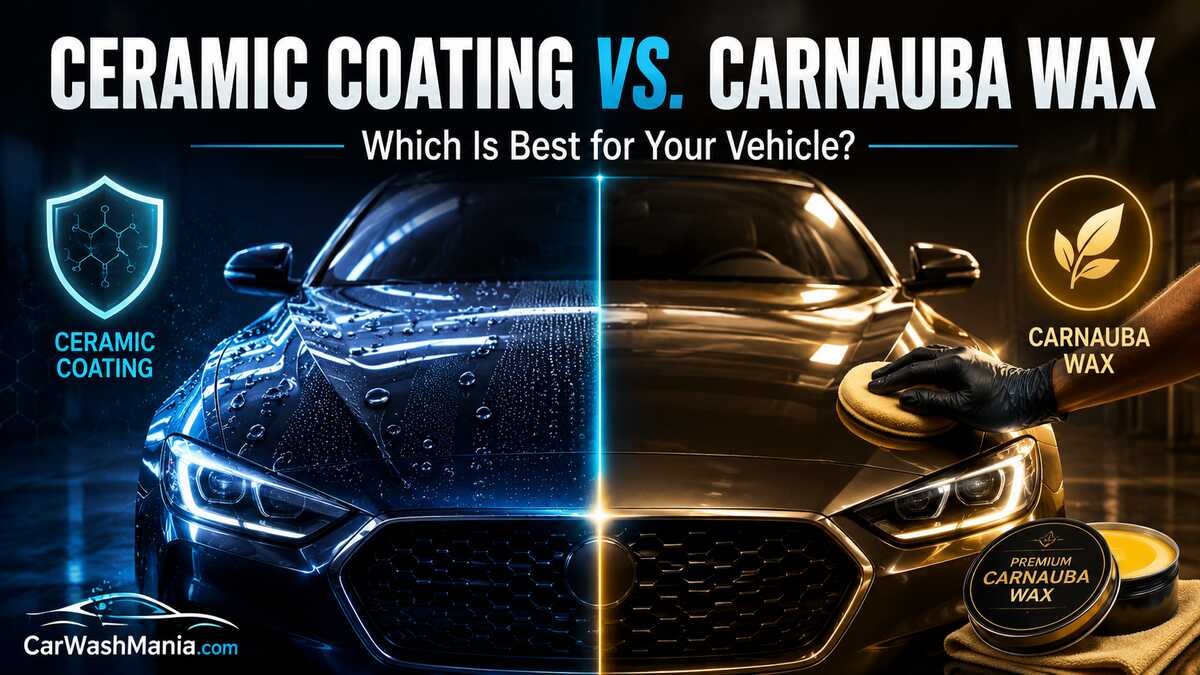
When outdoor air temperatures climb into the triple digits, horizontal surfaces like vehicle hoods, roofs, and trunk lids rapidly convert solar radiation into conductive thermal energy. A vehicle sitting in direct sunlight can easily reach surface temperatures between 140°F and 180°F. Standard consumer carnauba wax melts at approximately 160°F to 180°F. Under direct solar baking, conventional wax liquefies and evaporates within a couple of weeks, leaving clear coat polymers directly exposed to harsh atmospheric conditions.
Intense UV Radiation
Texas receives exceptional levels of ultraviolet radiation throughout the year. UVA and UVB rays penetrate deeply into the chemical resin of the clear coat, breaking down its cross linked polymer chain structure. This process, known as photo oxidation, causes clear coat resins to lose structural flexibility and clarity over time.
Aggressive Environmental Partners
Thermal energy does not act alone. Gritty dust storms, sticky oak pollen, atmospheric industrial fallout, and sudden summer thunder showers leave heavy mineral deposits on car body panels. When high heat softens the clear coat surface, these embedded contaminants and acidic rain residues bake directly into the top paint layer, forming stubborn deposits that routine washing cannot eliminate.
The Hidden Science of Clear Coat Failure
Understanding clear coat failure requires looking closely at how automotive paint systems are applied. Modern factory finishes consist of an electrocoated primer, a base color coat, and a clear protective coat measuring approximately 1.5 to 2 mils in thickness. This outer layer protects against physical abrasions, moisture, and chemical exposure.
The Invisible Buildup
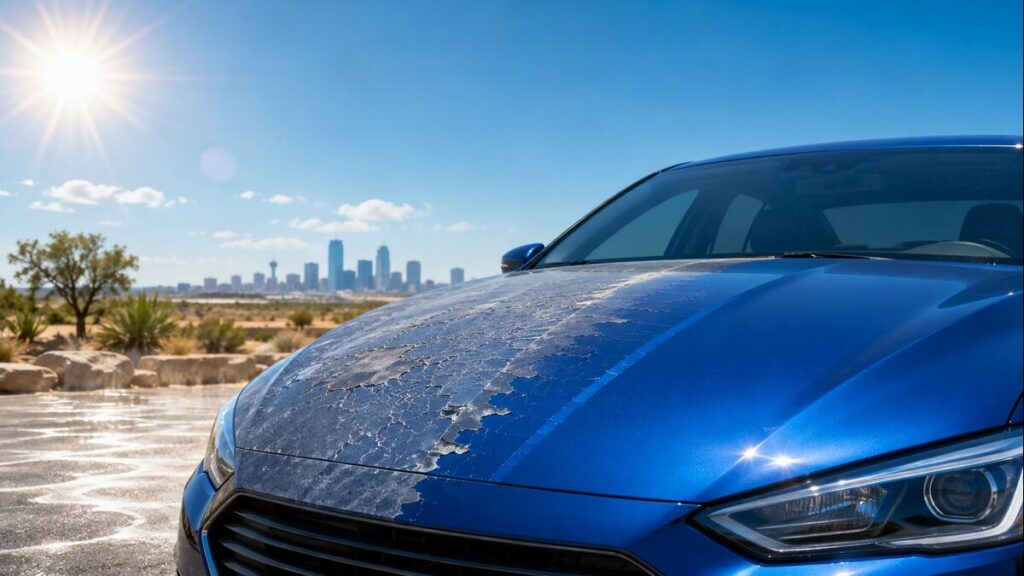
Paint damage from heat and UV is cumulative and slow moving. In the early stages, clear coat degradation remains completely invisible to the untrained eye. Chemical bonds break down slowly beneath the surface, gradually dulling gloss retention. Over time, the clear coat takes on a hazy appearance that polishing compounds struggle to correct. Left untreated, photo oxidation causes the finish to turn chalky, powdery, and brittle before finally flaking away.
Thermal Expansion Stress
Automotive steel and aluminum body panels undergo significant thermal movement throughout the summer. High temperatures cause paint expansion and contraction, which can lead to cracks, peeling, and an overall weakened exterior finish. Because metal expands and contracts at a different rate than synthetic clear coat resins, thousands of heating and cooling cycles create microscopic structural fractures across the surface. These micro fissures weaken clear coat adhesion, allowing moisture and air to seep underneath, which eventually causes widespread peeling.
| Stage | Condition | Effect on Car Paint |
|---|---|---|
| 1 Direct Sun Exposure | Surface temperatures may exceed 160°F | Metal panels and automotive paint expand at different rates |
| 2 Material Stress | Repeated expansion places stress on the paint system | Tiny weaknesses and micro fractures may begin forming |
| 3 Night Cooling | The vehicle surface cools and contracts rapidly | Existing weaknesses can expand through repeated temperature cycles |
| 4 Moisture and UV Intrusion | Water and ultraviolet radiation enter weakened areas | The clear coat may fade, crack, peel, or eventually fail |
Baked On Etching
High surface temperatures act like an oven for organic contaminants. Hot surfaces act like a magnet for sticky bird droppings and tree sap, which can etch into the paint within 24 hours. Uric acid present in bird droppings expands as it heats up, penetrating deep into softened clear coat pores. As the vehicle panel cools during evening hours, the clear coat contracts around the acidic residue, permanently trapping the etch mark beneath the surface.
Paint Color Vulnerabilities: Red Pigments vs Dark Thermal Absorbers
Vehicle paint color plays a major role in determining how fast thermal and UV damage progresses across your exterior panels.
Red Paint Sensitivity
Red vehicles are notoriously vulnerable to solar degradation. Red paint pigments absorb high energy blue and ultraviolet light waves while reflecting red wavelengths. Because blue and UV light carry significantly higher electromagnetic energy, red pigments undergo accelerated chemical degradation. This causes red cars to lose their rich, vivid hue much faster than neutral colored vehicles, often turning a dull salmon or pink color as the clear coat breaks down.
Black and Dark Paint Heat Absorption
Dark colored vehicles, including black, charcoal, and dark blue finishes, absorb maximum visible light wavelengths and convert them directly into raw thermal energy. Dark vehicles trap higher levels of thermal energy, accelerating clear coat haziness and swirl marks. Because dark body panels reach significantly higher temperatures than white or silver panels, clear coat resins on dark cars suffer accelerated thermal expansion stress, making proper heat protection essential.
Protective Coating Comparison for Texas Summers
To help you choose the right defense strategy for your vehicle, the following table compares common protective methods based on heat tolerance, UV resistance, and longevity in severe southern climates.
Field Notes: Real World Experience with Texas Clear Coat Failure
Inspecting daily drivers across Texas reveals consistent patterns regarding how clear coat failure unfolds in real world conditions. Vehicle owners frequently assume that washing their car once a month is enough to keep paint healthy. However, cars parked outside daily without ceramic or film protection consistently show signs of oxidation within two to three years of factory delivery.
Horizontal panels almost always fail first. Hoods, roofs, and trunk lids receive direct, perpendicular solar radiation for six to eight hours daily. By the time chalky white patches appear on a vehicle roof, clear coat thickness has usually thinned beyond the point of machine polishing correction. Once the clear coat completely wears away, full panel repainting becomes the only remedy. Establishing a dedicated defense routine early in the vehicle ownership cycle is vastly more effective and affordable than addressing structural paint failure later.
Actionable Defense and Prevention Guide
Protecting your car paint against extreme Texas heat requires a combination of smart parking habits, durable protective layers, and safe washing techniques.
Smart Parking Strategies
- Park in residential garages, covered carports, or shaded structures whenever possible to reduce direct solar exposure.
- Use custom fitted reflective windshield sunshades to lower interior cabin heat and decrease thermal transfers through windshield glass onto upper dashboard and roof boundaries.
- Avoid parking directly underneath sap producing trees or bird nesting spots, as temporary shade benefits are far outweighed by aggressive chemical etching risks.
Upgraded Protection Layers
- Transition away from traditional short lived carnauba waxes toward advanced multi year protective barriers.
- Professional nano ceramic coatings utilize silicon dioxide or silicon carbide chemistry to form a permanent, hydrophobic bond over factory clear coat layers. Ceramic coatings offer thermal resistance well past 1000°F while filtering harmful UV wavelengths.
- Consider applying Paint Protection Film (PPF) to high impact forward facing panels and horizontal surfaces. Quality PPF includes built in UV inhibitors and self healing properties that absorb physical damage while protecting underlying clear coat layers.
Gentle Maintenance Habits
- Wash your car every 1 to 2 weeks during cool early morning or late evening hours when exterior panels are cool to the touch.
- Never wash a vehicle in direct sunlight, as soap suds and mineral rich water evaporate quickly, causing severe spot etching on heat softened clear coats.
- Use dedicated pH balanced automotive shampoos paired with plush microfiber wash mitts to minimize surface friction during cleaning.
- Dry body panels thoroughly using high quality microfiber drying towels or filtered leaf blowers to prevent hard water mineral spots from baking onto the surface.
Preserving your vehicle exterior against harsh Texas weather requires proactive care and proper chemical protection. The combination of intense ultraviolet radiation, extreme thermal expansion stress, and embedded environmental contaminants will rapidly degrade unprotected factory finishes. By adopting shaded parking routines, utilizing pH balanced washing techniques, and upgrading to professional ceramic coatings or paint protection film, you can keep your vehicle clear coat strong, clear, and glossy for years to come.
If you are ready to shield your vehicle from severe summer heat damage and restore its brilliant showroom shine, contact our expert auto detailing team today for a customized paint protection consultation.