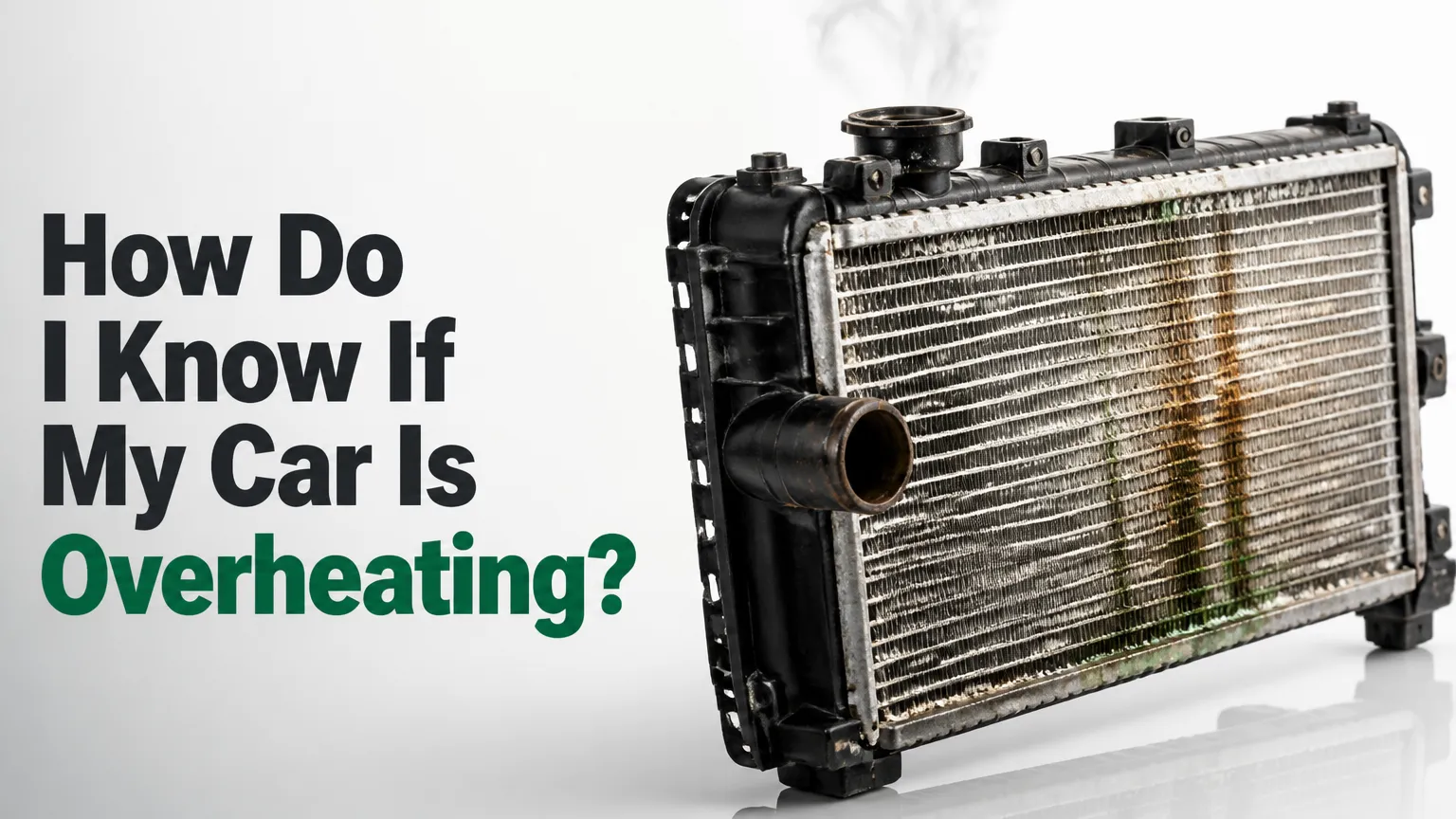
A vehicle is overheating if its dashboard temperature gauge rises into the top red zone above 115°C (240°F), the red coolant warning light illuminates, steam emerges from under the hood, or the cabin fills with a sweet, burning ethylene glycol odor. Immediate engine shutdown is required to prevent catastrophic thermal metal warping.
At a Glance
- Normal automotive engine operating temperatures range between 90°C and 105°C (195°F to 220°F).
- A sudden loss of liquid coolant can leave temperature sensors in dry air, causing dashboard gauges to read normal while metal components melt.
- Modern dashboard temperature gauges are buffered, staying fixed at center between 82°C and 104°C before spiking abruptly into the red zone.
- Turning the interior cabin heater to maximum fan speed acts as an auxiliary radiator, pulling up to 10°C of heat from the engine block.
- Pressurized cooling systems operate at 14 psi to 18 psi; opening a hot radiator cap risks severe steam burns.
What Temperature Range Indicates an Overheating Engine?
An engine is actively overheating when internal coolant temperatures exceed 115°C (240°F). Standard automotive cooling systems operate under sealed pressure, raising the boiling point of the coolant mixture above the normal 100°C (212°F) sea-level boiling point of water.
| Operating State | Coolant Temperature Range | Cooling System Pressure | Dashboard Gauge Status |
| Cold Start / Warm-up | 20°C to 85°C (68°F to 185°F) | 0 psi to 5 psi | Bottom sweep / Rising |
| Normal Operating Range | 90°C to 105°C (195°F to 220°F) | 14 psi to 18 psi | Centered / Middle |
| Marginal Thermal Stress | 106°C to 114°C (223°F to 237°F) | 18 psi to 20 psi | Upper quarter sweep |
| Active Engine Overheating | 115°C (240°F) and higher | Above 20 psi (Cap releases) | Top 10% / Red zone |
Under healthy operating conditions, the thermostat opens completely between 88°C and 92°C to circulate fluid through the radiator core. When temperature metrics pass 115°C, thermal expansion exceeds safety tolerances, breaking down oil viscosity and threatening internal mechanical tolerances.
What Are the Primary Physical Symptoms of an Overheating Car While Driving?
The primary physical symptoms of an overheating car include steam venting from under the hood, a sweet chemical smell from evaporating coolant, a glowing red dashboard thermometer icon, and engine knock caused by pre-ignition. Drivers may also experience a sudden drop in engine power as modern engine control units enter thermal protective limp mode.
Steam appears white and billows out from the edges of the hood, created when boiling ethylene glycol mixture contacts scalding exhaust manifolds or escapes through the pressure cap valve. A sweet, syrup-like odor inside the cabin indicates liquid coolant spraying onto hot metal components or escaping through a leaking heater core inside the dashboard ventilation system. If heat remains unaddressed, engine oil thins dangerously, causing mechanical ticking noises from valve lifters due to insufficient oil film strength.
Can an Engine Overheat Without the Dashboard Gauge Moving into the Red Zone?
Yes, an engine can suffer severe overheating while the dashboard gauge reads normal or cold if a sudden leak drains the liquid coolant surrounding the temperature sensor. Engine coolant temperature sensors require direct contact with liquid coolant to measure thermal energy accurately.
When a radiator hose snaps or a water pump housing splits, pressurized coolant rapidly drains from the system. The Engine Coolant Temperature (ECT) sensor becomes surrounded by dry air pocket gas rather than liquid. Because air conducts thermal energy far less efficiently than a liquid water-glycol mix, the sensor transmits low temperature signals to the instrument cluster. Meanwhile, the solid aluminum engine cylinder heads and iron cylinder walls heat up rapidly without any liquid circulation to absorb the thermal load, warping metal components despite a misleadingly cool dashboard display.
Why Does a Stuck Thermostat Cause Immediate Thermal Overload?
A thermostat stuck in the closed position blocks coolant from circulating out of the hot engine block into the radiator for heat dissipation. This isolates the fluid inside the cylinder block water jackets, trapping thermal energy in a closed loop.
The thermostat utilizes a wax pellet actuator calibrated to melt and expand at specified temperatures, pushing a valve open against spring tension. If the wax leaks out or the mechanical valve jams shut, coolant remains trapped inside the engine. The localized fluid inside the block heats beyond 120°C within minutes of driving, while the fluid resting inside the front radiator remains completely cold to the touch. This extreme temperature discrepancy across the cooling loop confirms a closed thermostat failure.
How Do Buffered Dashboard Temperature Gauges Mislead Drivers?
Buffered dashboard gauges use software algorithms to hold the temperature needle perfectly centered across a wide range of safe temperatures, masking real-time thermal changes from the driver. Vehicle manufacturers program instrument clusters with this dead band to prevent drivers from seeking unnecessary repairs during minor, safe temperature fluctuations.
A typical buffered gauge locks its needle at the 50% mark whenever the engine computer reports coolant temperatures between 82°C and 104°C. The needle does not move smoothly as the engine warms up or cools down under load. Consequently, if a cooling failure begins, the driver sees no gradual upward movement on the instrument display. By the time the engine computer detects a temperature above 108°C and releases the needle to move toward the red zone, the thermal spike is already well underway, leaving the driver with almost no advance warning before thermal limits are crossed.
Can a Vehicle Overheat in Freezing Sub-Zero Winter Weather?
Yes, a vehicle can overheat in sub-zero winter temperatures if the coolant mixture contains excessive water that freezes solid inside the radiator channels. Ice formation creates a physical plug that prevents liquid circulation through the cooling loop.
When automotive cooling systems are filled with pure water or improper dilution ratios during warm months, low winter ambient temperatures cause ice crystals to form inside the narrow radiator core tubes. When the engine starts, heat builds up rapidly in the cylinder heads. However, because ice blocks the radiator passages, the water pump cannot push cold liquid through the system. The engine overheats rapidly despite being surrounded by sub-zero ambient air. Maintaining a precise 50/50 ethylene glycol and distilled water mixture prevents freezing down to -37°C (-35°F).
Why Does Turning on the Cabin Heater Help Cool Down an Overheating Engine?
Turning the interior cabin heater to full hot with the blower fan on maximum utilizes the heater core as a secondary auxiliary radiator to shed heat from the engine cooling loop. The heater core is a miniature radiator mounted inside the vehicle dash assembly connected directly to the main engine cooling lines.
When heat is selected on the climate control panel, hot coolant flows through the heater core channels while the cabin blower fan pulls cool outside air across its fins. This process transfers thermal energy out of the liquid coolant into the interior cabin air stream, lowering overall coolant temperatures by 5°C to 10°C (9°F to 18°F). While this tactic increases cabin comfort discomfort for occupants, it provides vital emergency thermal relief that can preserve cylinder head integrity while pulling over safely.
How Do You Distinguish a True Thermal Overheat from an Electrical Gauge Fault?
A true thermal overheat manifests gradually over minutes accompanied by physical symptoms like steam, hot smells, and fan engagement, whereas an electrical fault causes the dashboard needle to instantly pin to maximum or bounce erratically within milliseconds. Physical engine heat accumulates slowly due to the thermal mass of cast iron and aluminum alloy components.
If a vehicle temperature needle shoots from the far left cold mark to the extreme right red zone in less than two seconds, the issue stems from an electrical short to ground, a severed wiring harness, or an internal sensor failure. Real mechanical overheating requires time for combustion energy to heat the metal mass and liquid coolant. Verifying the absence of hot air from the cabin heater, checking for dry engine bays, and testing sensor resistance with a digital multimeter confirms an electrical fault rather than mechanical overheating.
Can You Drive a Car for Just a Few Minutes While It Is Overheating?
No, driving an overheating vehicle for even 60 seconds risks permanent engine destruction including warped cylinder heads, cracked engine blocks, and blown head gaskets. Modern aluminum engine components lose structural strength rapidly when exposed to extreme thermal stress.
When coolant temperatures surpass critical limits, aluminum cylinder heads expand at a higher rate than the iron or aluminum engine block beneath them. This differential expansion crushes the layered steel head gasket, destroying the liquid seal between combustion chambers, oil passages, and coolant jackets. Additionally, engine oil thins out above 125°C, losing its shear strength. Without oil film protection, rod bearings and camshaft journals scuff and seize, turning a minor cooling repair into a complete engine replacement.
How Long Should You Wait Before Opening the Radiator Cap on a Hot Engine?
You must wait at least 30 to 45 minutes after shutting off an overheating engine before attempting to remove the radiator or expansion tank cap. Pressurized cooling systems store hot liquid under 14 psi to 18 psi of force, raising the liquid’s boiling point.
Opening a pressure cap on a hot cooling system instantly releases system pressure. This sudden pressure drop causes superheated liquid coolant to flash-boil into expanding steam, blasting scalding liquid and vapor out of the neck directly at the operator. To safely verify if a system is depressurized, squeeze the upper radiator hose using a heavy shop towel. If the hose feels hard and unyielding, the system remains under dangerous internal pressure. Wait until the hose feels soft, pliable, and cool to the touch before slowly turning the cap to its first safety detent.
Why Does a Car Overheat Only When the Air Conditioner Is Turned On?
A car overheats exclusively when the air conditioner runs because the A/C system places high mechanical load on the engine while dumping intense thermal energy directly in front of the radiator core through the A/C condenser.
The A/C condenser is mounted immediately in front of the engine radiator at the front grill. When the air conditioning is switched on, the compressor puts extra mechanical resistance on the engine belt drive, generating extra internal combustion heat. Simultaneously, the condenser emits hot refrigerant heat directly into the air path feeding the radiator. If the electric radiator cooling fan fails to engage its high-speed setting, or if condenser cooling fins are flattened or clogged with road debris, the combined heat load overwhelms system capacity and triggers overheating.
Why Does an Engine Overheat While Idling but Cool Down at Highway Speeds?
An engine overheats at idle but cools at highway speeds when airflow through the radiator core is restricted due to a failed electric radiator fan, broken fan clutch, or missing air shrouds. At highway speeds, ambient air is forced naturally through the front grill, cooling the radiator without relying on mechanical fans.
When a vehicle comes to a stop at a traffic light, ram-air pressure drops to zero. The cooling system depends entirely on the radiator fan to draw ambient air across the cooling fins. If the electric fan motor fails, the fan relay burns out, or a mechanical thermostatic fan clutch loses its silicone fluid, air stops moving across the radiator core. Fluid inside the radiator heats up instantly while idling, but rapidly drops back to normal temperature once the car accelerates back to cruising speed and restores passive frontal airflow.
What Causes Coolant to Boil Over into the Expansion Tank Without High Gauge Readings?
Coolant boils over into the plastic expansion tank without elevated dashboard readings when a defective radiator cap loses its pressure seal or combustion gases leak into the cooling jackets through a blown head gasket.
A radiator cap relies on a spring-loaded rubber seal calibrated to hold 15 psi. If the rubber seal hardens or the spring weakens, the cap allows coolant to escape into the overflow tank at atmospheric pressure. Water boils at 100°C (212°F) under atmospheric pressure, causing localized boiling and overflow even while overall coolant temperature remains within normal limits. Alternatively, a hairline head gasket crack forces superheated high-pressure combustion gas into the water jacket, pushing liquid out into the expansion tank regardless of temperature readings.
What Immediate Emergency Steps Should You Take When Your Car Starts Overheating on the Road?
When a vehicle displays symptoms of engine overheating on the road, execute the following emergency protocol immediately to minimize structural damage:
- Relieve immediate engine load: Turn off the air conditioning system completely and roll down all vehicle windows.
- Engage auxiliary heat extraction: Turn the climate control heater temperature to maximum heat and set the cabin fan blower speed to high.
- Safely pull off the roadway: Signal smoothly, pull onto the shoulder or a safe parking area away from active traffic, and move the transmission selector into Park.
- Shut down the ignition: Turn off the engine immediately to stop thermal generation within the combustion chambers.
- Pop the hood latch: Release the primary interior hood latch to allow passive ambient air to flow into the engine bay, but do not touch hot metal latches under the hood.
- Evacuate to safety: Step away from the vehicle front bay and wait at least 45 minutes before inspecting liquid levels or mechanical components.
How Can You Safely Inspect an Engine for Coolant Leaks After It Cools Down?
Once the engine bay has cooled completely for 45 minutes and the upper radiator hose feels squishy to the touch, conduct a methodical visual inspection for cooling system breaches:
- Inspect fluid reservoir levels: Check the translucent plastic expansion tank to see if the coolant level rests between the cold minimum and maximum indicators.
- Check hose connections and clamps: Examine the upper and lower radiator hoses, heater core bypass hoses, and thermostat housing for white crusty residue or swollen rubber paths.
- Scan the water pump bleed hole: Look at the water pump snout behind the belt pulley for wet drips or dried green/orange residue exiting the pump weep hole, indicating internal shaft seal failure.
- Check engine oil condition: Pull the engine oil dipstick and inspect the liquid state. A milky, chocolate-milk appearance indicates internal coolant contamination caused by a blown head gasket or cracked engine block.
- Look under the vehicle chassis: Check the ground surface beneath the front crossmember for fresh puddles of sweet-smelling green, orange, pink, or yellow liquid.
What Severe Structural Damage Occurs If an Overheating Engine Is Not Shut Off?
Ignoring an overheating engine results in compound mechanical failures that compromise major engine castings, structural seals, and internal rotating assemblies.
Extremely high combustion temperatures cause the aluminum cylinder head to warp out of flat alignment, destroying its mating surface against the engine block. This thermal movement ruptures the head gasket seal, allowing pressurized coolant to contaminate engine oil channels and wash away bearing lubrication. Unlubricated piston rings expand beyond their cylinder bore end-gaps, scoring the cylinder walls and scuffing piston skirts. In extreme thermal runaway scenarios, pistons swell to the point of friction-welding themselves inside the cylinder bores, completely seizing the rotating assembly and cracking the main engine block casting beyond repair.
The Bottom Line
Knowing if your car is overheating requires monitoring physical warnings like steam, sweet odors, and loss of power alongside standard dashboard gauges. Because sudden fluid losses and buffered instrument cluster programming can mask rising engine temperatures, drivers must never rely solely on a centered temperature needle. If any symptom of thermal overload appears, pull over safely, switch off the ignition immediately, and wait 40 minutes before inspecting components to prevent engine destruction and thermal injuries.


