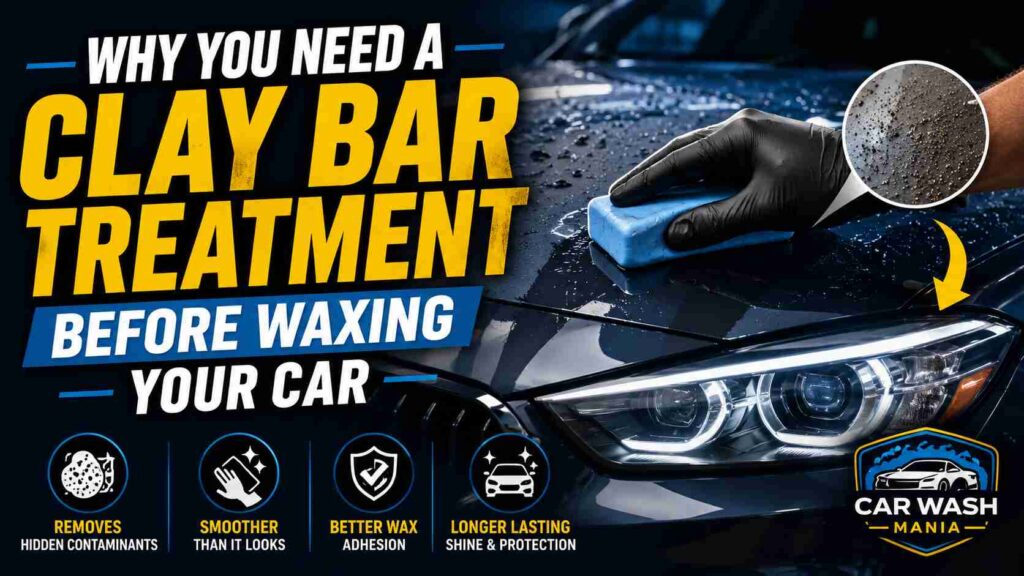
Applying a fresh coat of wax to your vehicle feels rewarding, but if you skip the preparation phase, you are severely limiting the results. Normal washing removes loose dirt, dust, and mud, but it leaves behind microscopic stuck particles like tree sap, brake dust, and industrial fallout.
Performing a clay bar treatment before waxing is considered an essential preparation step because it removes microscopic bonded contaminants that regular soap and water simply cannot reach. If you are looking for that ultimate showroom shine, understanding how to properly decontaminate your car paint is the most valuable skill you can learn.
The Hidden Dirt Your Soap Leaves Behind
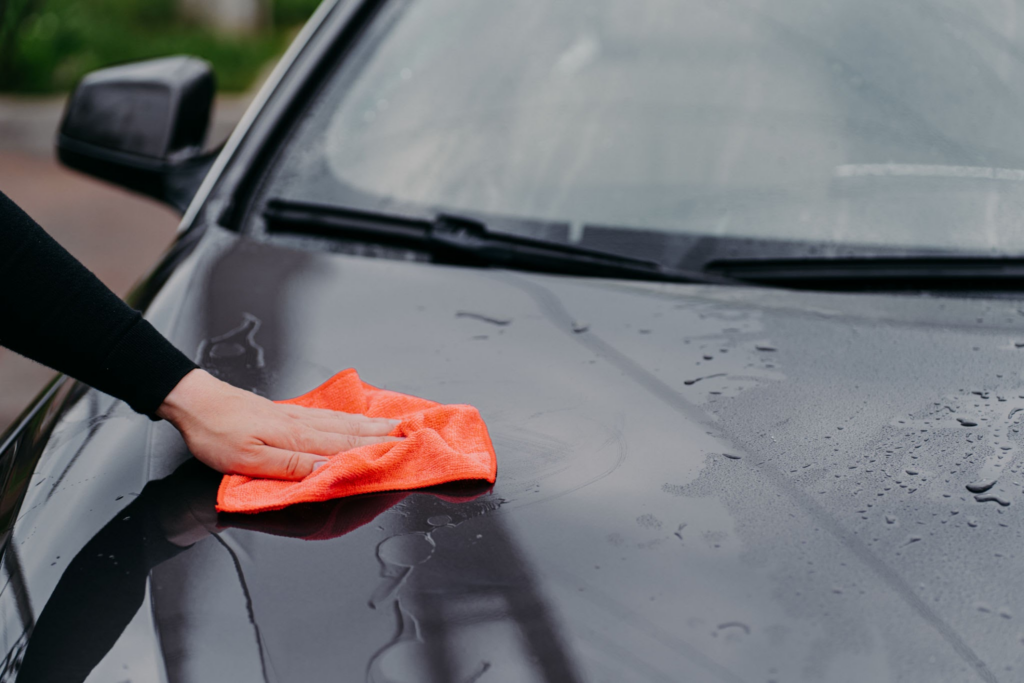
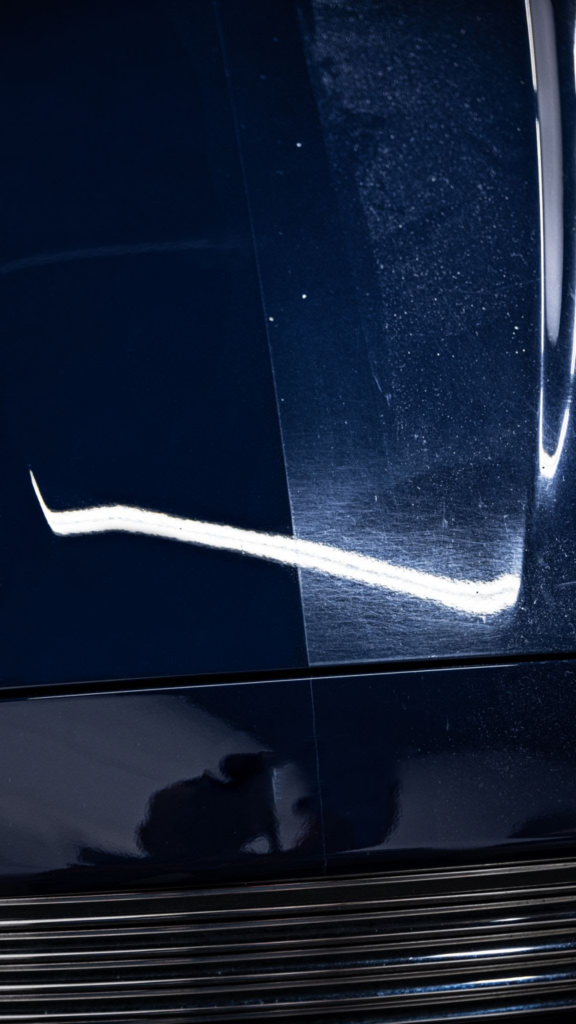
Have you ever washed your car perfectly, dried it off, and noticed the paint still feels rough to the touch? That texture is caused by embedded contaminants. These particles embed themselves deep into the pores of your clear coat.
If you apply wax directly over this contaminated surface, you encounter three major problems:
- Poor Adhesion: Wax needs to bond directly with the clear coat. If it lands on top of microscopic dirt, it will wash away much faster.
- Wasted Effort: Sealing in dirt prevents the paint from reflecting light uniformly, robbing you of that deep mirror gloss.
- Scratch Risks: Rubbing a wax applicator pad over embedded grit can pull those particles loose and drag them across your paint, causing permanent swirl marks.
The Plastic Bag Test
The most effective way to determine if your vehicle needs a clay bar treatment is a simple trick used by professional auto detailers known as the Plastic Bag Test.
- Wash and dry your car thoroughly to remove all loose dirt.
- Place your hand inside a clean and thin plastic grocery bag.
- Lightly glide your fingertips over a smooth panel like the hood or the roof.
- Analyze the texture you feel.
The thin plastic acts as an amplifier for surface imperfections. If the surface feels like fine sandpaper or stubble, your paint has bonded contaminants and requires claying. If the surface feels completely slick like glass, you can skip claying and proceed directly to your protection stage.
Essential Supplies for Paint Decontamination
To perform the treatment safely at home without causing micro marring, you will need several key items in your detailing arsenal.
- Synthetic Clay: A synthetic resin compound or a larger surface area alternative like a synthetic mitt to grab and lift particles safely.
- Dedicated Lubricant: A slick detailer spray to prevent the synthetic material from sticking. Never attempt this process on a dry surface.
- Microfiber Towels: Premium edgeless towels used to gently wipe away excess lubricant and buff the surface after each section is completed.
- Fresh Protection: Because the decontamination process strips away existing sealants, you must reseal the paint on the exact same day to protect the exposed clear coat.
Chemical vs Mechanical Decontamination
A complete paint decontamination workflow transitions through distinct phases. Understanding the difference between chemical and physical removal is crucial for protecting your clear coat.
For busy professionals who lack the time for extensive machine polishing, prioritizing chemical decontamination is a brilliant time saving strategy. Chemical removal dissolves the majority of the contamination without any physical friction, significantly reducing the risk of scratching your finish.
Selecting the Right Clay Grade
Professional detailers use a progressive strategy, starting with the least aggressive grade to protect the clear coat. Selecting the right aggressiveness determines whether you will need to machine polish the car afterward.
Professional Techniques to Avoid Scratches
Creating light hazing or scratches during this process is a common beginner mistake. You can minimize this risk by following strict professional guidelines.
- Lubrication is Non Negotiable: Always use a dedicated spray to create a liquid cushion between the synthetic material and the clear coat. If the pad ever feels tacky or resistant, apply more spray immediately.
- Linear Motions Only: Glide the material in straight back and forth lines. Avoid circular motions entirely, as circles are more likely to create visible swirl marks if a stray piece of grit gets trapped.
- The Dropped Tool Rule: If you drop your synthetic bar on the driveway, throw it in the trash immediately. Even a single second on the concrete allows it to pick up microscopic rocks that will completely destroy your paint.
- Knead and Fold Frequently: After finishing a small section measuring roughly two by two feet, fold the material over to expose a fresh and perfectly clean surface.
Recommended Protection to Seal the Paint
Once decontaminated, the paint pores are completely open and vulnerable to the elements. You must apply a protective layer immediately.
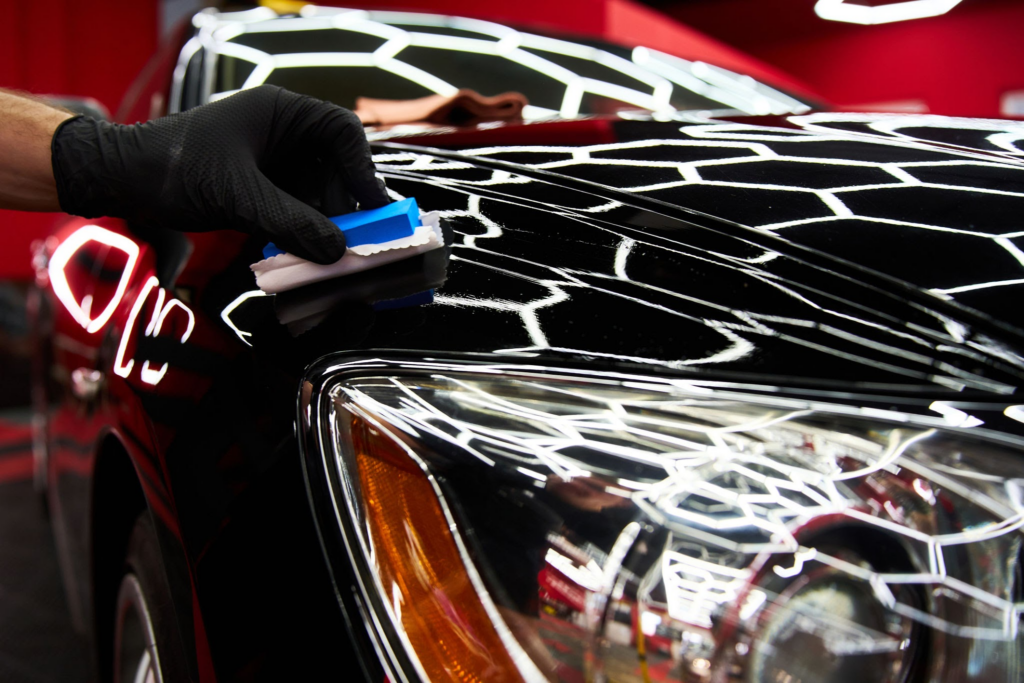
Modern ceramic infused sprays offer incredible durability for everyday drivers. If you prefer traditional warmth and depth, a premium carnauba paste remains an excellent choice for weekend cruisers. Whichever route you choose, applying it over perfectly smooth paint guarantees maximum longevity and a brilliant mirror reflection.
Conclusion
Understanding why you need a clay bar treatment before applying car wax separates average driveway car washes from professional level auto detailing. By removing hidden metallic fallout and bonded sap, you ensure your chosen wax bonds flawlessly to the clear coat. This simple preparation step extends the life of your protective coatings and delivers that glass smooth finish every car enthusiast desires.
Ready to achieve a flawless finish? Grab a premium decontamination kit today and test your car panels using the plastic bag method.