Imagine pulling into your driveway after a long week of commuting. Your vehicle looks mostly clean from a distance. However, if you run your bare hand along the lower door panels, you will likely feel a gritty, highly textured film. That invisible layer of road grime is not just a cosmetic annoyance. It is a highly active chemical mixture actively seeking microscopic imperfections in your clear coat.
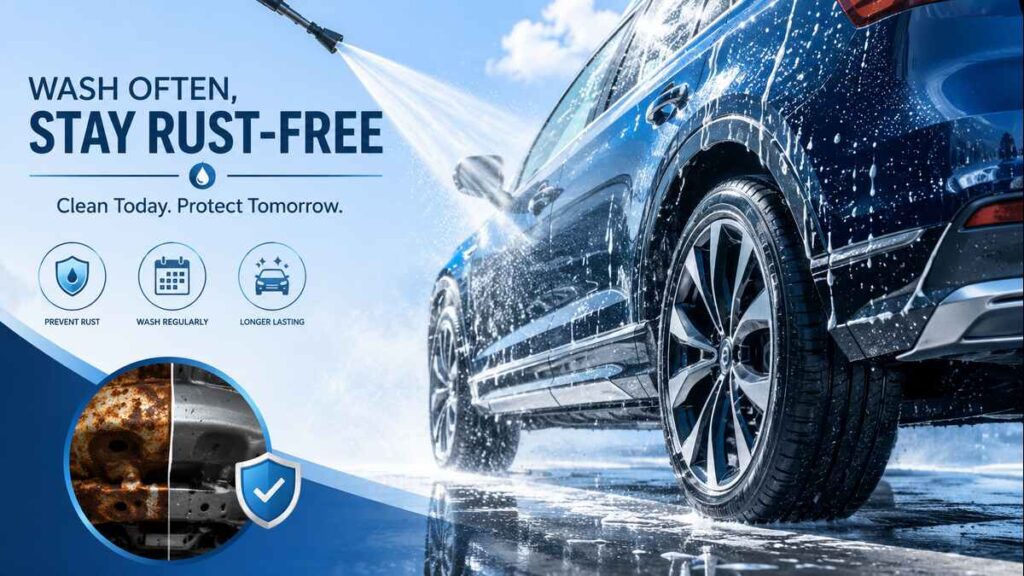
We spend tens of thousands of dollars on our daily drivers, yet many owners completely overlook the single most effective defense mechanism against rapid vehicle depreciation. Regular washing is not just about maintaining a glossy shine for the weekend. It is a critical defense barrier against moisture trapping oxidation and severe metal corrosion. If you want to stop your vehicle from rusting prematurely, you must understand exactly how, where, and when to clean it.
The Standard Baseline: How Often is Normal for Washing?
For the average driver commuting in a mild climate, the undisputed baseline rule is to wash your vehicle every fourteen days. This two week optimal car wash schedule is the absolute sweet spot for maintaining the integrity of your exterior paint while preventing corrosive buildup.
When you drive, your vehicle collects a daily layer of brake dust, industrial fallout, organic matter, and standard road dirt. Over the course of two weeks, this dust turns into a harmful, microscopic film. This film acts exactly like a sponge. It absorbs morning dew and atmospheric moisture, holding that water directly against your paint and metal seams for hours at a time.
By adhering to a strict fourteen day schedule, you strip away these contaminants before they have a chance to bond chemically with your clear coat. If you wait longer than two weeks, you allow the oxidation process to begin its silent attack on any exposed metal or compromised paint. Protecting car from oxidation requires consistency above all else.
High Risk Environments: When You Need Weekly Washes
While a two week cadence works perfectly well for standard conditions, your geographic location dictates your true reality. If you live in a high risk environment, you must upgrade your routine to a weekly wash schedule to truly master preventing car rust. Environmental factors change the chemical equations happening on the surface of your vehicle.
Coastal Areas and Ocean Salt
If you live within ten miles of the ocean, coastal car rust is an ever present threat. Ocean breezes carry microscopic salt particles miles inland, blanketing everything in their path. Salt is a highly effective electrolyte. When salt mixes with high coastal humidity, it accelerates the electrochemical reaction that turns iron and steel into iron oxide.
In these coastal regions, a weekly wash is absolutely mandatory. You do not necessarily need to do a full detailing session every seven days, but you must rinse the exterior thoroughly to flush the corrosive salt spray away from your trim, window seals, and panel gaps.
Winter Zones and Road Salt Corrosion
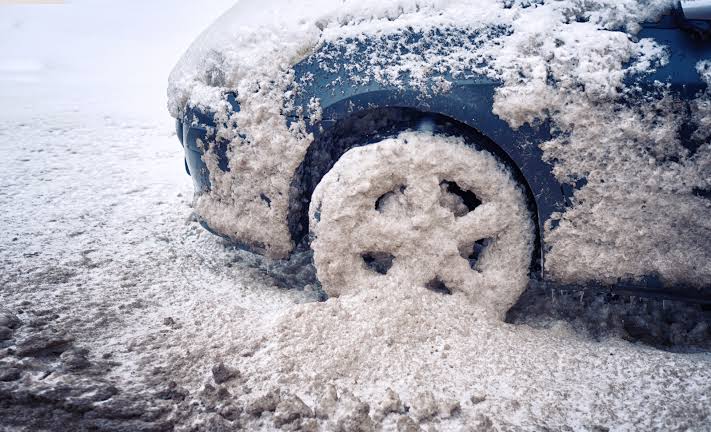
Winter driving presents the most brutal, unforgiving environment for any vehicle. To keep roads safe, municipalities dump thousands of tons of rock salt and chemical deicing brines onto the pavement. While this melts the ice efficiently, it creates a toxic slurry that violently attacks bare metal components.
Washing car in winter conditions requires a highly specialized approach. You must wash your vehicle every single week from the first snowfall until the final spring thaw. The liquid brine used on modern roads is particularly dangerous because it creeps into tiny crevices and stays liquid much longer than traditional rock salt. Every time the ambient temperature rises above freezing, the chemical reaction accelerates, eating away at your vehicle frame.
Industrial Areas and Organic Debris
If you park under trees or near industrial zones, your vehicle faces a entirely different type of assault. Heavy pollution and industrial fallout blanket your car in hot metallic particles that embed themselves deeply into your paint. Similarly, tree sap and rotting autumn leaves release powerful tannic acids. These natural acids chemically etch your clear coat, creating microscopic entry points for moisture and air. Once the clear coat is compromised, rust follows shortly after.
The Hidden Danger Zones Where Car Rust Starts
Most drivers focus entirely on the shiny hood, roof, and doors. However, corrosion rarely starts on large, flat exterior surfaces. It breeds in the hidden, dark areas where moisture and dirt become permanently trapped.
The Undercarriage
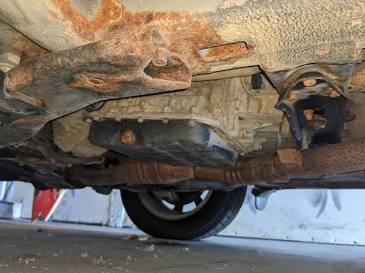
The most critical area to protect is the dark belly of your vehicle. An undercarriage car wash is the single most important service you can perform to prevent structural frame corrosion. Your frame, suspension components, and exhaust system take the direct impact of every puddle, salt chunk, and mud pit you drive through. Always ensure your wash routine includes high pressure water directed upwards into the chassis to dislodge packed mud and prevent catastrophic salt damage to cars.
Wheel Wells and Fenders
Your tires act exactly like high speed turbines, throwing debris directly into your wheel wells. Mud easily accumulates on the inner lips of your fenders. Because these hidden areas rarely see direct sunlight, the trapped mud stays damp for days, holding moisture directly against the thin sheet metal. Over time, this causes the paint to bubble from the inside out, ruining the visual appeal of your vehicle.
Rocker Panels and Door Bottoms
Rocker panels sit directly behind your front wheels. They endure a constant, daily sandblasting effect from road grit, which chips away the factory protective coatings. Furthermore, the drain holes located at the bottom of your doors can easily become clogged with pine needles and dirt. When these drain holes clog, rainwater fills the inside of your door shell, causing catastrophic internal rusting that is incredibly expensive to repair.
Best Practices and Prevention Tips for Car Detailing
Knowing how often to wash car to prevent rust is only half the battle. Using the correct methods is equally important. Improper washing techniques cause microscratches, which dull your paint and create new pathways for moisture. Incorporate these professional car detailing for rust practices into your driveway routine.
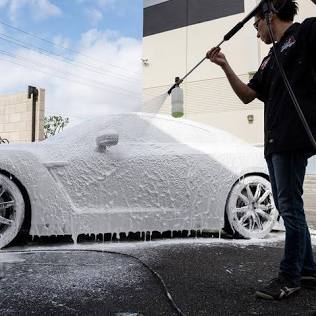
- Use pH Balanced Soap: Never use dish soap or harsh household detergents. These aggressively strip away your protective wax and completely dry out rubber window seals. Always use a dedicated, pH balanced automotive shampoo designed to safely lift dirt.
- The Two Bucket Wash Method: Fill one bucket with soapy water and a second bucket with clean rinse water. Dip your wash mitt into the soap, wash a single panel, and then thoroughly rinse the dirty mitt in the clean water before returning it to the soap. This prevents you from rubbing abrasive dirt back into the paint.
- Microfiber Materials Only: Throw away your old yellow sponges. Sponges trap dirt directly on their flat surfaces, dragging grit across your clear coat. High quality microfiber wash mitts pull dirt deep into their plush fibers, keeping it safely away from the metal.
- Invest in Ceramic Coating Rust Prevention: To drastically extend the time you can safely go between washes, apply a strong protective layer. While traditional carnauba wax offers a decent sacrificial barrier, modern ceramic coatings provide vastly superior protection. Ceramic coating rust prevention works by creating a semi permanent, highly hydrophobic glass layer over your clear coat. This forces water and corrosive road chemicals to bead up and roll off the surface instantly.
Conclusion
Understanding exactly how to stop car rusting is the ultimate key to preserving the structural integrity, safety, and resale value of your vehicle. By establishing a standard fourteen day baseline and accelerating to a weekly schedule during harsh winter or coastal conditions, you proactively stop corrosion before it compromises your metal. Remember to prioritize the hidden danger zones like the undercarriage and wheel wells, and always use safe detailing practices to protect your fragile clear coat. Consistent, strategic cleaning is the ultimate investment in your vehicle longevity.
Next Step
Do not wait until you see orange spots bubbling under your exterior paint. Take action today to protect your automotive investment. Schedule your next thorough wash, apply a high quality ceramic sealant, and consider booking an appointment with a professional detailer to properly clean and coat your undercarriage. Protect your vehicle today so it can continue to protect you on the road tomorrow!