How to Remove Water Spots from Car Paint in 4 Steps
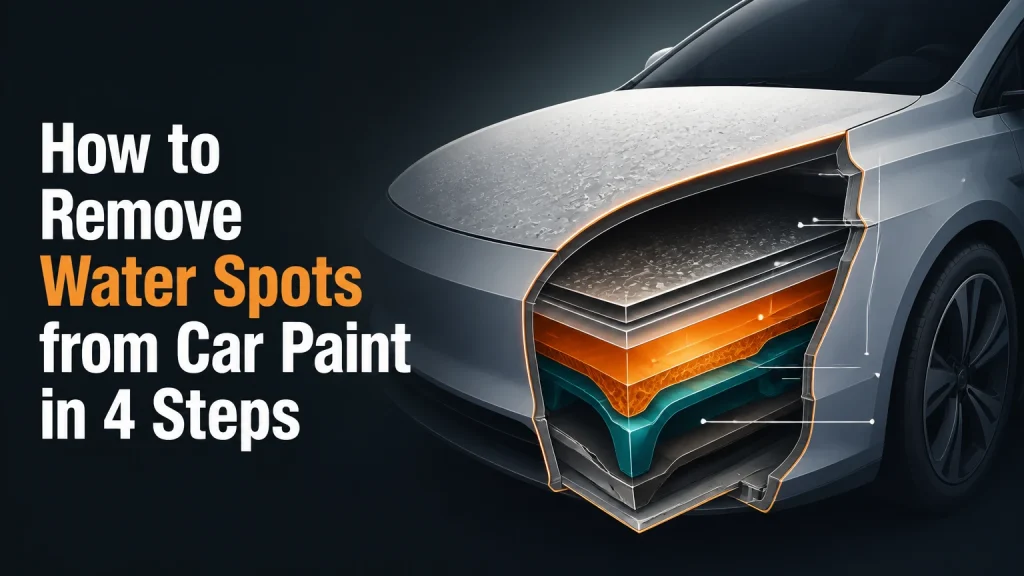
To remove water spots from car paint, wash and dry the panel, test a diluted vinegar solution or dedicated mineral remover on fresh deposits, then polish only if etching remains. The safest sequence takes 30 minutes to 5 hours, depending on severity, and always starts with the least abrasive treatment. Key Facts at a Glance […]
Can AutoZone Clear Check Engine Light?
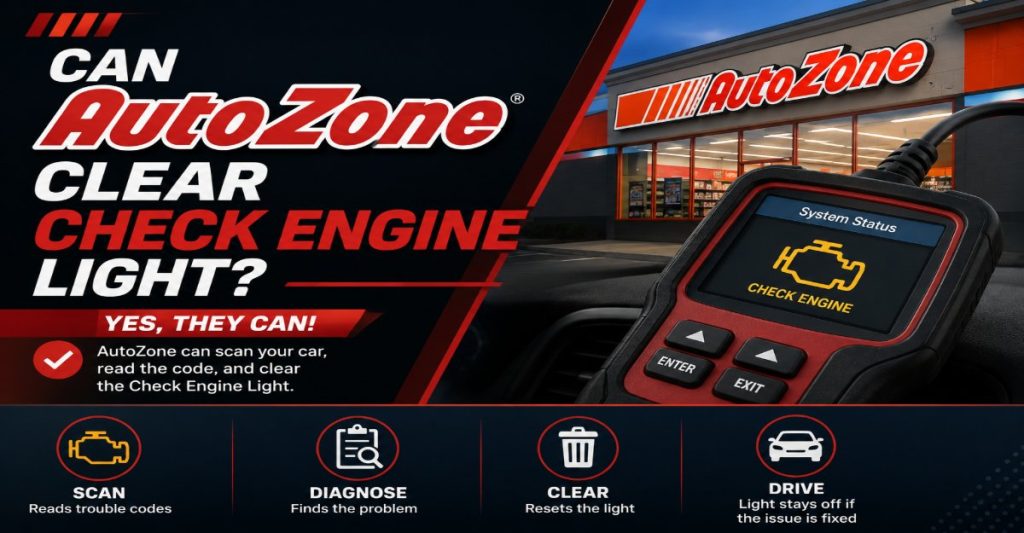
AutoZone employees cannot clear your check engine light due to strict corporate policies, federal EPA mandates, and state environmental regulations. While AutoZone provides a free OBD-II code scanning service via their Fix Finder system, store representatives are strictly prohibited from erasing diagnostic trouble codes (DTCs) from your vehicle’s engine control unit. To turn off the […]
Rubber Floor Mats vs Carpet Floor Mats Cleaning: Which Wins?
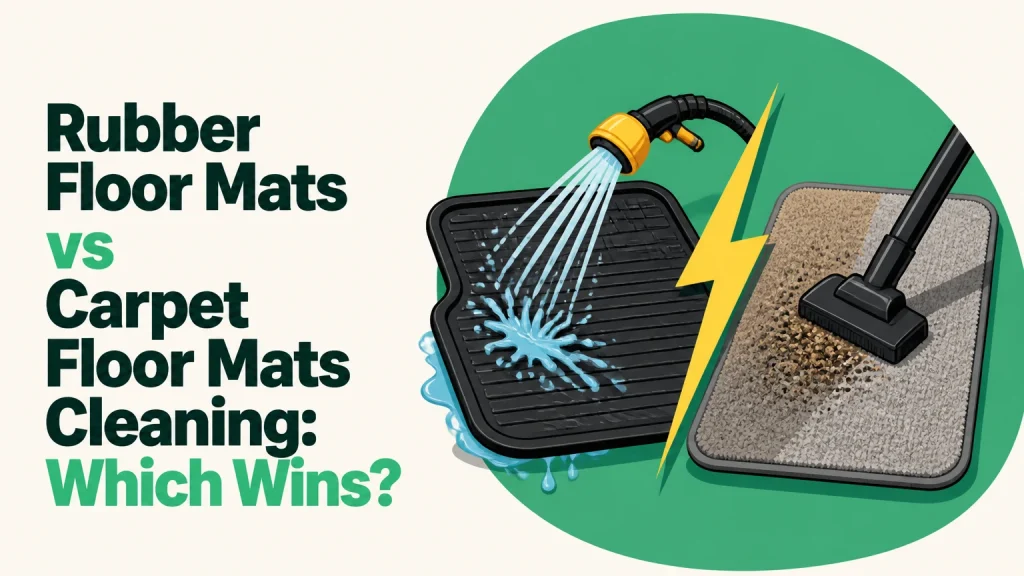
Rubber floor mats are easier and faster to clean because mud, liquid, salt, and debris remain on a washable, nonabsorbent surface. Carpet floor mats provide a quieter, more refined interior but require vacuuming, stain treatment, controlled moisture, extraction, and 12-24 hours of drying. For snow, mud, pets, and frequent spills, rubber usually wins. Key Facts […]
How Long Should Brake Pads Last on a Car?
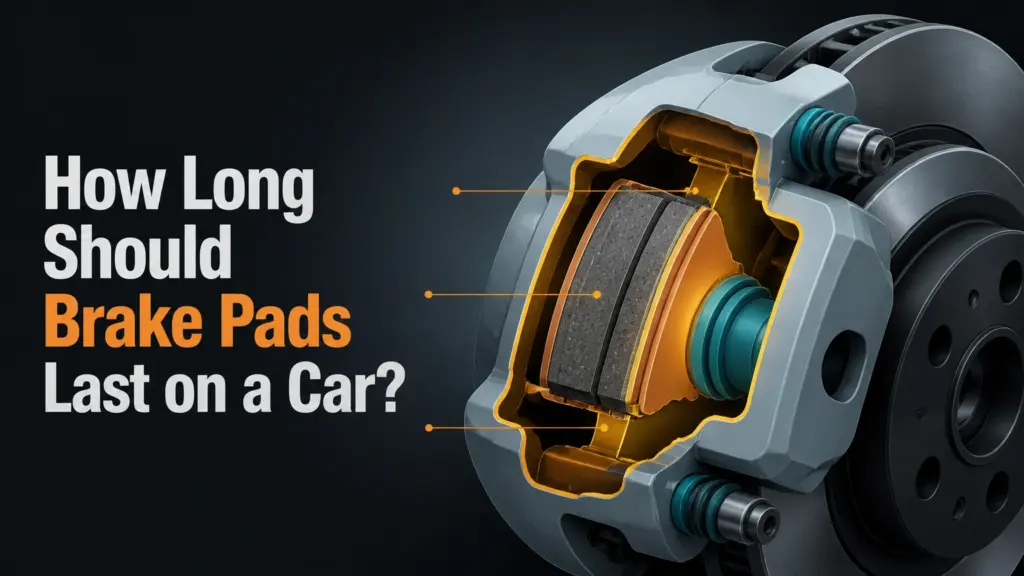
Standard automotive brake pads typically last between 30,000 and 70,000 miles, with 50,000 miles serving as the baseline average for most passenger vehicles. Exact brake pad longevity depends on pad material, driving environment, vehicle weight, axle position, and mechanical system health. At a Glance What Is the Average Lifespan Difference Between Front and Rear Brake […]
How to Start a Car with a Bad Fuel Filter
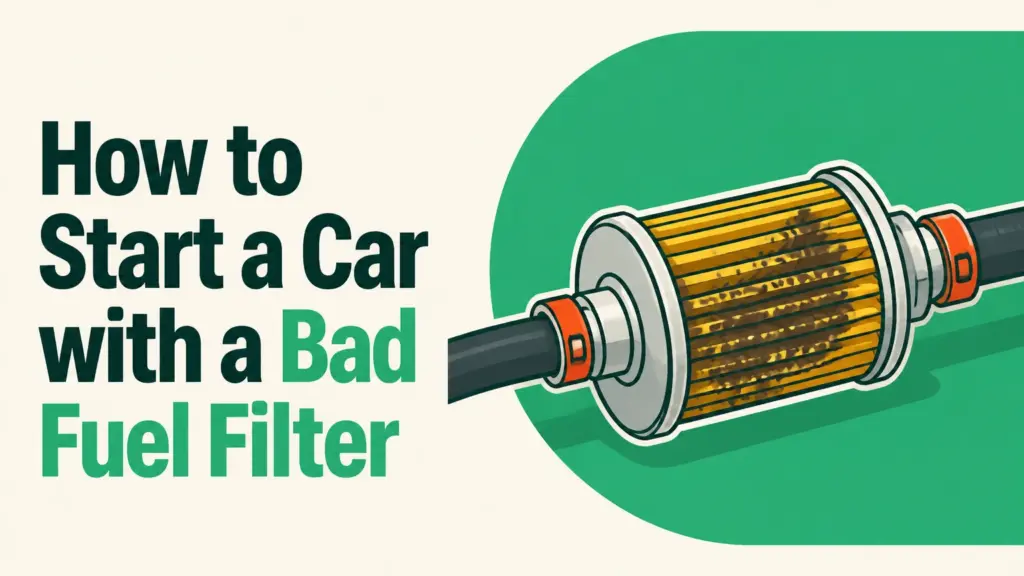
Starting a car with a severely clogged fuel filter requires manually restoring system pressure and using an auxiliary combustion agent to overcome fuel restriction. By following a 5-step process involving chemical treatment, mechanical agitation, pump cycling, and air intake priming, you can temporarily start the engine within 15 minutes. This high-difficulty emergency procedure carries a […]
How to Dry Car Without Water Spots Safely
To dry a car without water spots, wash in shade, finish with a gentle flood rinse, remove water immediately with a clean high-absorption microfiber towel or filtered blower, and inspect seams before droplets evaporate. A typical midsize car takes 10-15 minutes to dry, and water hardness, panel temperature, and towel cleanliness determine the result. Key […]
How to Clean Car Interior Safely in 3 Hours
Car interior cleaning removes loose debris, dust, oils, stains, and odors from the cabin without damaging upholstery, trim, electronics, or adhesives. A thorough DIY clean takes about 2-4 hours, costs roughly $25-$150, and succeeds when you use minimal moisture, clean from top to bottom, and dry fabric completely before closing the vehicle. Key Facts at […]
How to Repair a Radiator Leak
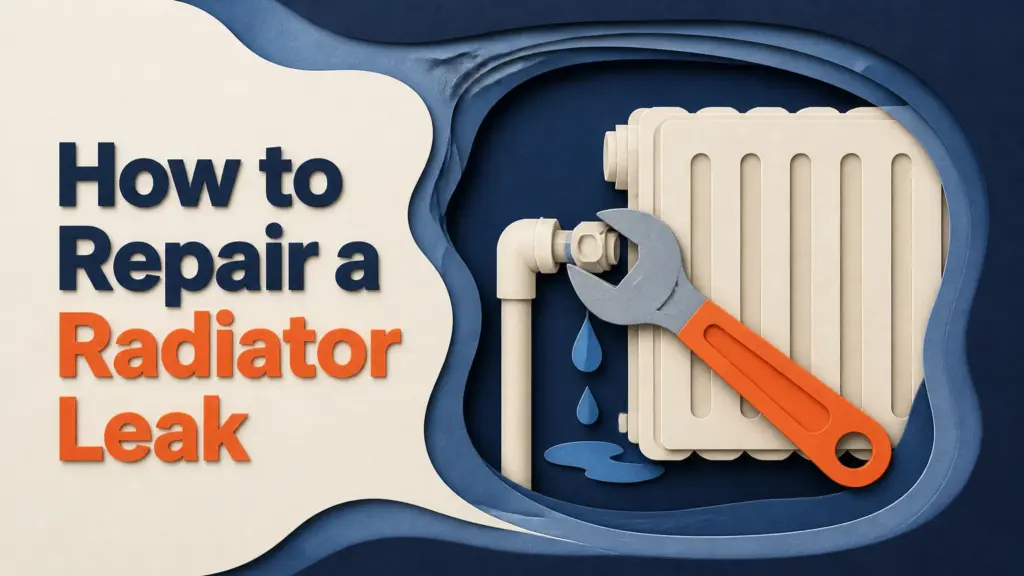
Repairing a radiator leak involves isolating the source of the rupture, depressurizing the system, preparing the target surface, and applying a high-temperature structural patch. By following this 6-step process—taking roughly 1.5 to 2 hours of labor plus 4 hours of cure time—you can reliably seal small pinholes or plastic tank cracks for $20 to $40, […]
Hard Water Spots vs Etching on Car Paint: Know the Difference
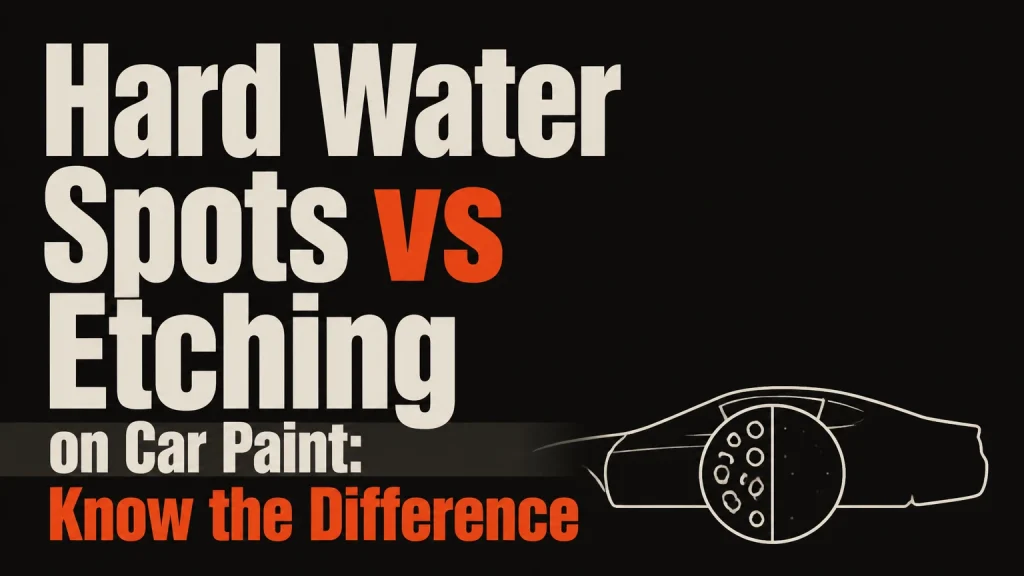
Hard water spots are mineral deposits resting on or bonded to a car’s clear coat, while etching is a depression formed when a chemical contaminant damages the clear coat itself. The practical distinction is simple: a deposit adds residue that can be dissolved or lifted, whereas an etch removes or deforms paint and usually requires […]
How Do I Know If My Car Is Overheating?
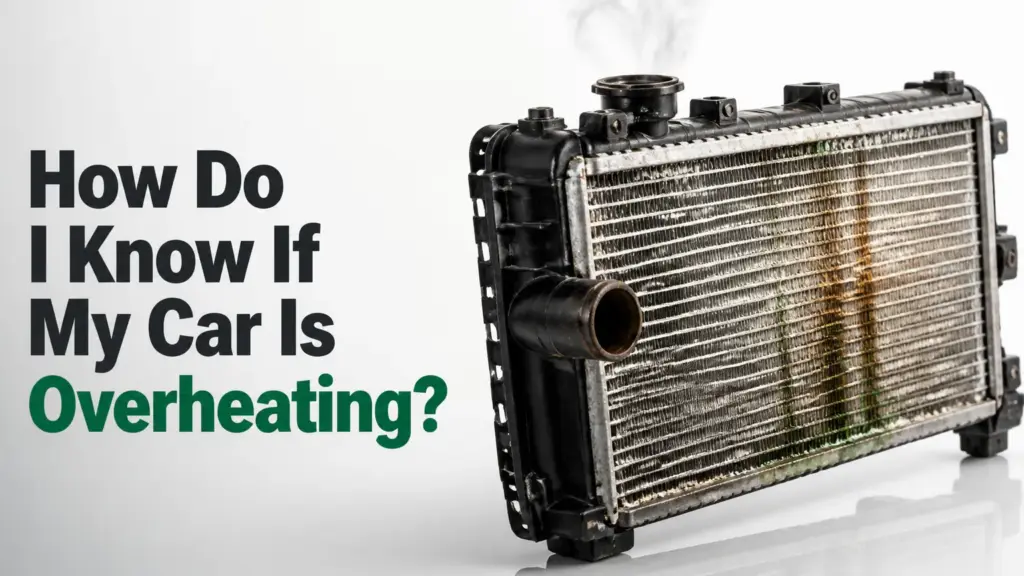
A vehicle is overheating if its dashboard temperature gauge rises into the top red zone above 115°C (240°F), the red coolant warning light illuminates, steam emerges from under the hood, or the cabin fills with a sweet, burning ethylene glycol odor. Immediate engine shutdown is required to prevent catastrophic thermal metal warping. At a Glance […]