Leather Cleaner vs Leather Conditioner: Which One First?
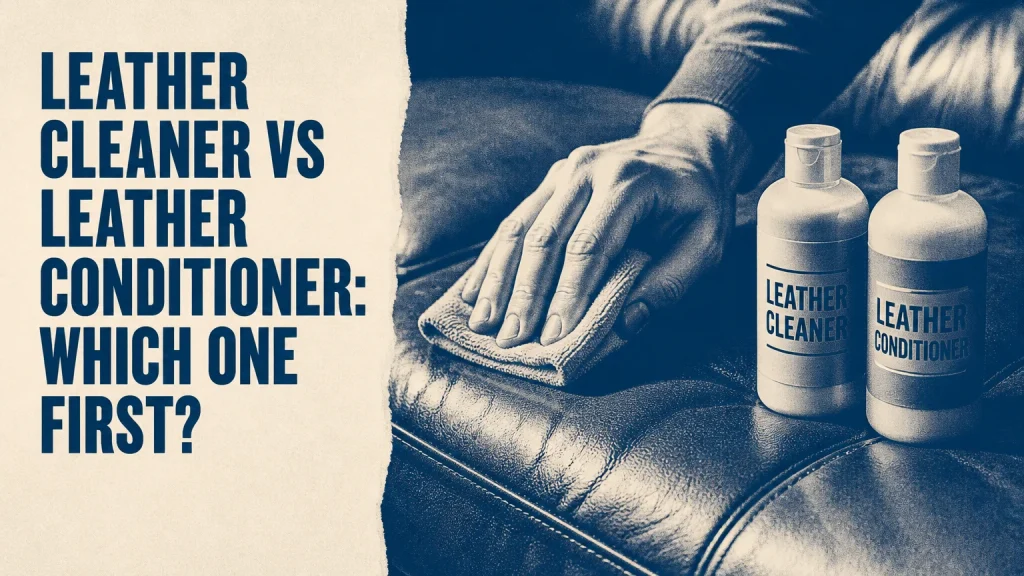
Leather cleaner removes dirt, body oil, sweat, and surface stains, while leather conditioner replenishes lubrication and flexibility after cleaning. Use the cleaner first, let the leather dry fully, then apply a small amount of compatible conditioner. The correct choice also depends on the leather finish, because suede, nubuck, aniline, and coated leather require different care. […]
How Much Coolant Does a Car Need?
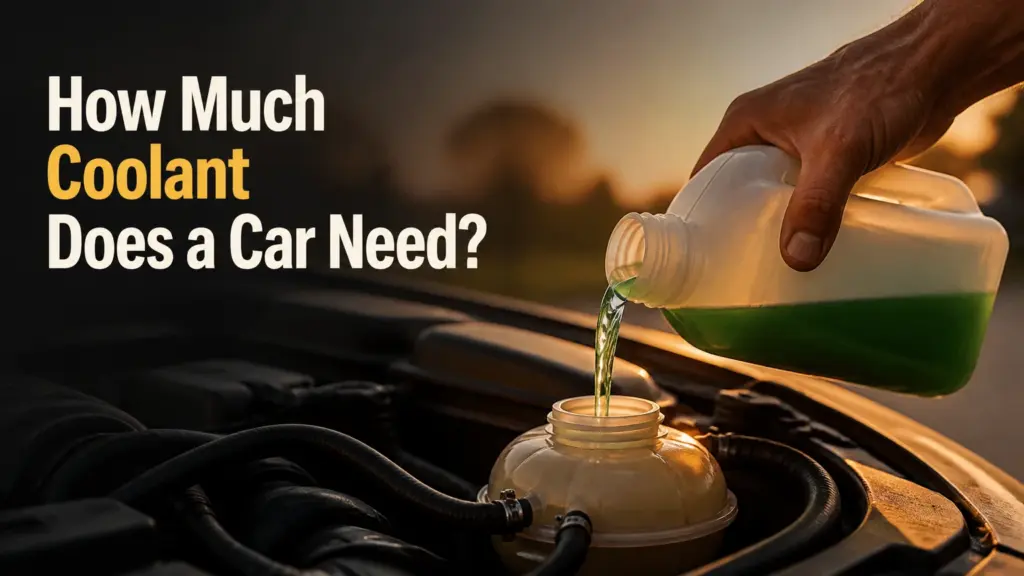
An average passenger car requires between 4 and 10 quarts (1 to 2.5 gallons, or 3.8 to 9.5 liters) of coolant for a complete system fill. The exact amount depends on engine displacement, radiator size, and whether you are performing a simple radiator drain or a full system flush. At a Glance What Is the […]
How to Clean Car Upholstery: A 7-Step, Low-Moisture Method
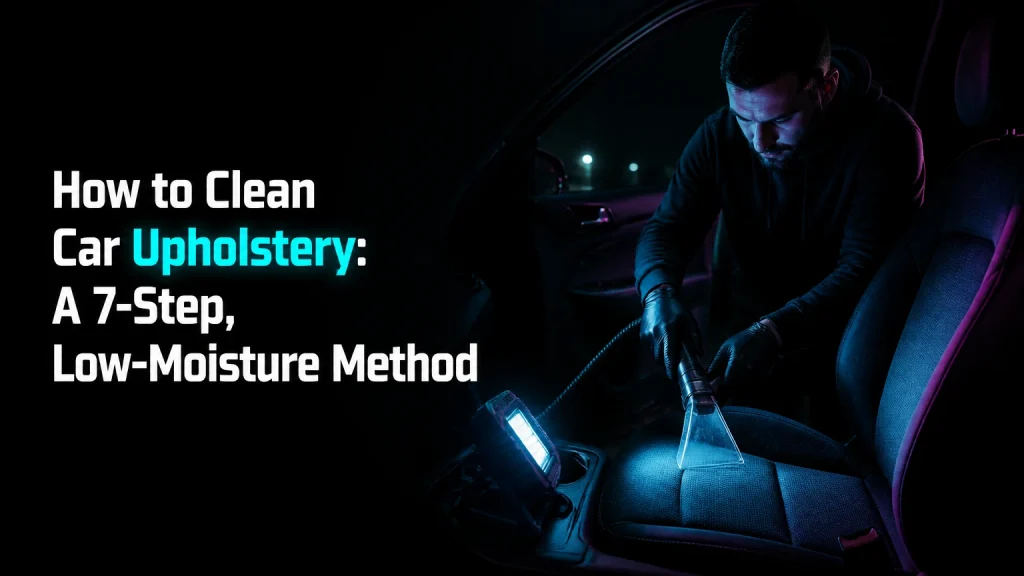
Car upholstery is best cleaned by removing dry soil first, treating stains according to their chemistry, applying a small amount of compatible cleaner, agitating gently, and extracting or blotting the residue. The complete process usually takes 1.5-3 hours of active work, plus 2-12 hours of drying, depending on the material, weather, and moisture used. Key […]
How to Fix Locked Up Brakes
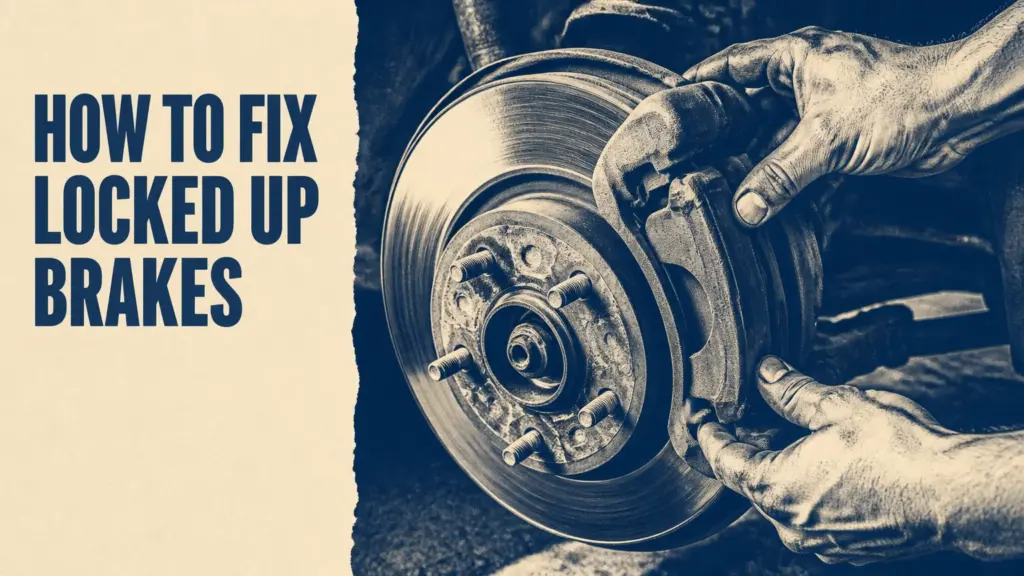
To learn how to fix locked up brakes, you must systematically isolate whether the lockup is caused by trapped hydraulic pressure or mechanical binding. The repair involves lifting the vehicle, performing a bleeder valve pressure test, inspecting or replacing seized calipers, slider pins, or hoses, bleeding the brake system, and torquing hardware to factory specs. […]
How to Condition Leather Car Seats: 30-Minute Method
To condition leather car seats, vacuum and clean the upholstery, let the surface dry, patch-test a vehicle-approved conditioner, apply a very thin coat with a microfiber applicator, allow the product to dwell, then buff away all residue. A complete interior usually takes 30-45 minutes, excluding deep stain removal and overnight drying. Key Facts at a […]
How to Clean Auto Air Filter: The Complete Step-by-Step Guide
Learning how to clean auto air filter elements restores engine airflow, maintains peak fuel economy, and prevents power loss caused by dirty intake tracts. This process involves extracting the filter, dry-degreasing, washing with specialized cleaner, low-pressure reverse flushing, natural air-drying, and precision re-oiling. Expect 20 minutes of active labor and 2 hours of passive drying […]
How to Clean Vinyl Car Seats Safely in 30 Minutes
To clean vinyl car seats, vacuum loose grit, spot-test a pH-balanced automotive vinyl cleaner, apply a small amount to a microfiber towel or soft brush, gently agitate one section at a time, and wipe away residue immediately. Finish with a thin, matte UV protectant, then let the seats dry for 15-30 minutes before use. Key […]
What Is Brake Grease?
Brake grease is a specialized, non-melting synthetic lubricant engineered to withstand extreme temperatures between -40°F and 2000°F while preventing brake squeal, component seizure, and uneven pad wear. Unlike petroleum chassis grease, true brake grease is 100% rubber-safe to protect critical caliper slide pin boots and dust seals from swelling or degrading. At a Glance What […]
How to Remove Cigarette Smell From Car: 6 Steps
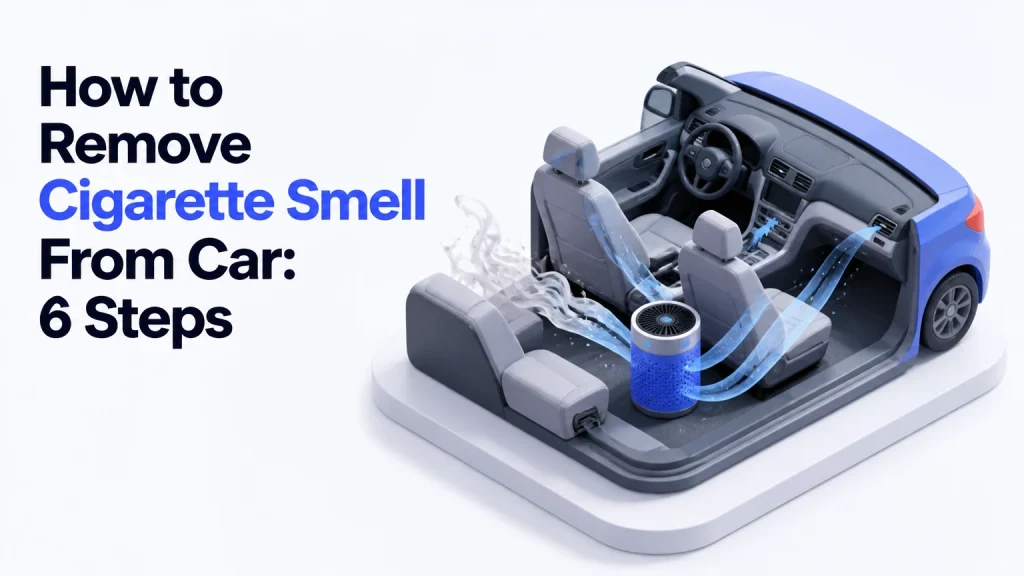
To remove cigarette smell from a car, remove the smoke source, wash nicotine residue from hard surfaces, extract porous upholstery, replace the cabin filter, and treat the ventilation system separately. A light odor may improve in 2-4 hours, while years of smoking can require repeated extraction or professional remediation. Key Facts at a Glance Why […]
Why Is My Car Struggling to Start?
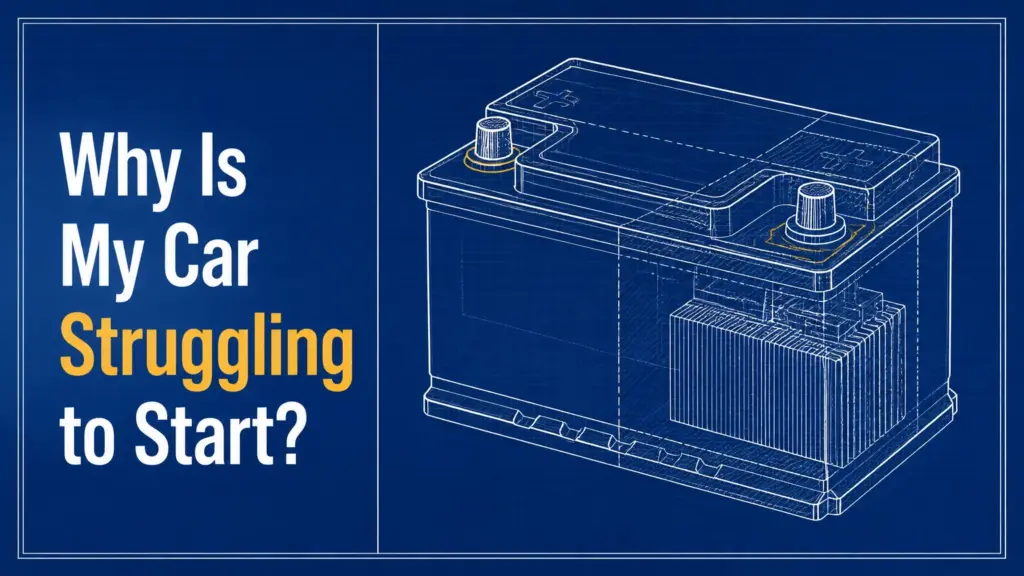
A car struggles to start when an issue disrupts one of the five essential internal combustion requirements: sufficient battery voltage, engine rotation, fuel delivery, intake air, or ignition spark. The most frequent causes include depleted battery charge below 12.2V, high electrical ground resistance, fuel pump pressure leak-down, or starter motor heat soak. At a Glance […]