One Step vs Two Step Paint Correction: Which Is Right?
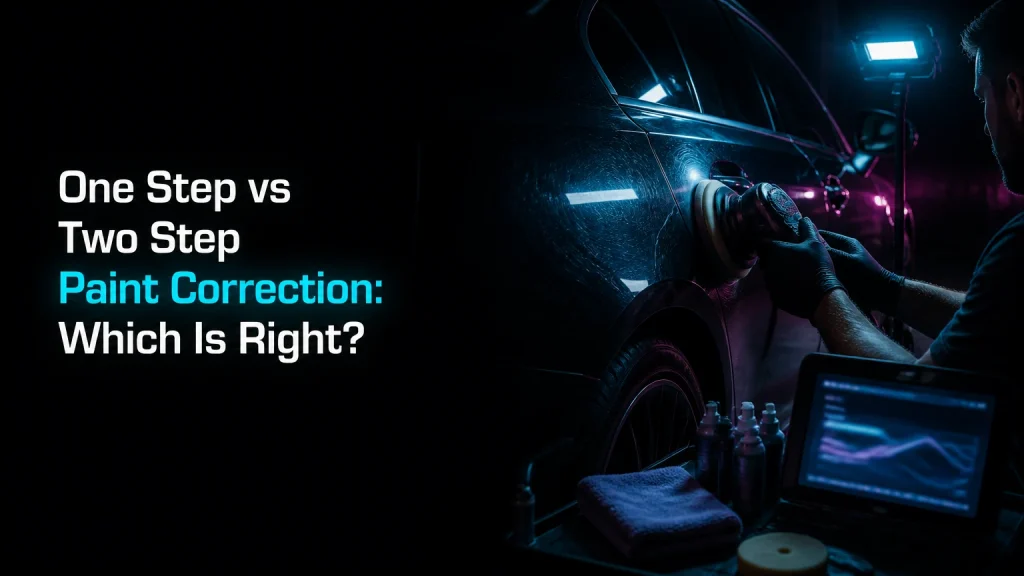
One-step paint correction uses one machine-polishing combination to improve gloss and remove light to moderate defects, while two-step paint correction compounds first and refines second. Choose one step when preservation, speed, and value matter; choose two step when deeper defect removal and maximum optical clarity justify added time, cost, and clear-coat use. Key facts One-step […]
Car Detailing Before Selling a Car: Maximize Your Return

Car detailing before selling a car is a targeted cleaning and presentation process that removes buyer-visible defects, improves photographs, and makes the vehicle easier to inspect. The profitable approach is not to make every car showroom-perfect; it is to correct high-friction problems while keeping detailing and repair costs below the realistic price or speed benefit. […]
Mobile Detailing vs Shop Detailing: Which Fits Your Car?
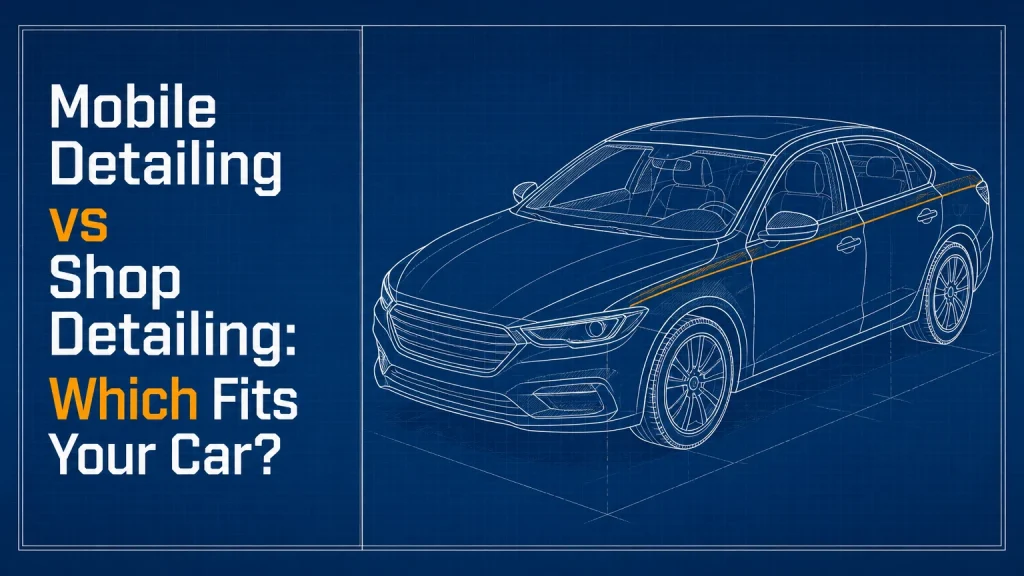
Mobile detailing is usually the better choice for routine cleaning, busy schedules, and vehicles that need maintenance at home or work. Shop detailing is usually better for paint correction, ceramic coatings, PPF, severe interior restoration, and weather-sensitive work because a fixed facility provides controlled conditions and heavier equipment. Key Facts at a Glance What Is […]
How to Fix Clicking Noise from CV Axle: Replacement Guide
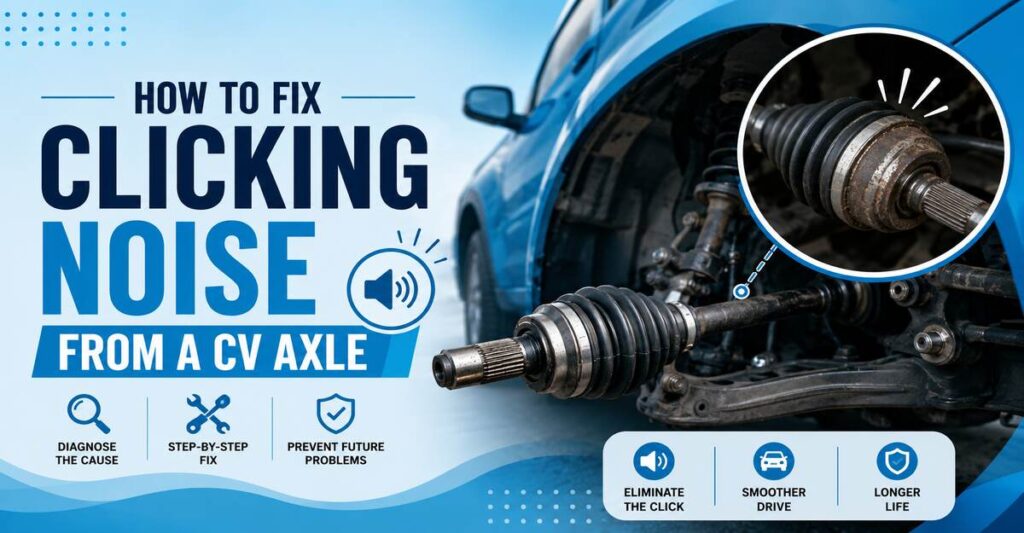
A rhythmic clicking noise from your CV axle while turning means the outer joint’s internal bearings are severely damaged, and a complete axle replacement is your only permanent solution. By following these 10 distinct steps, you can safely remove the torn assembly, seat the new C-clip, and restore factory drivability in under three hours. The […]
What Brake Pads Fit My Car?
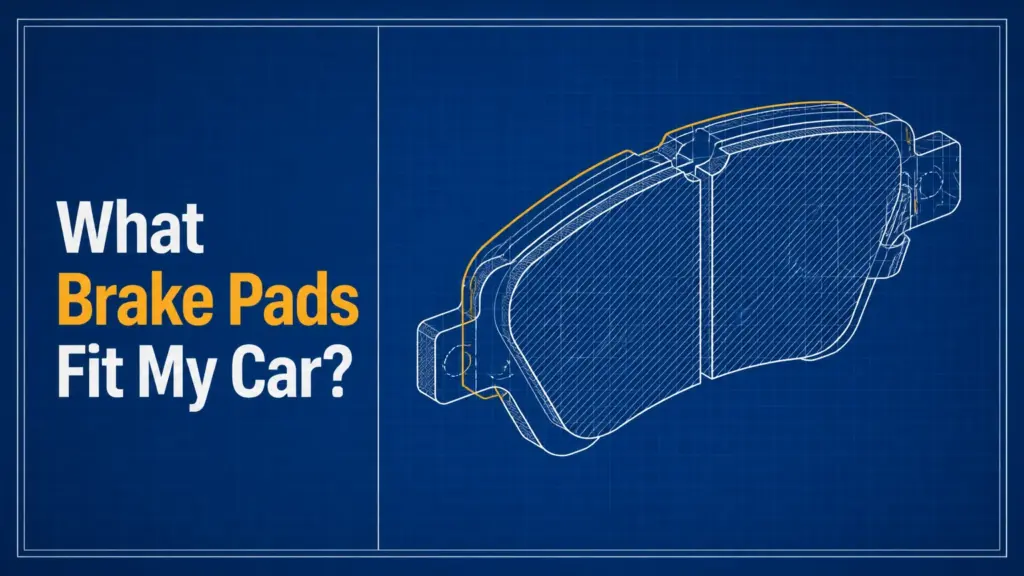
To determine what brake pads fit my car, match the vehicle’s year, make, model, trim, engine, axle position and brake package with a verified parts catalog or OEM part number. Brake pads are not universal, and two visually identical vehicles can require different pads because they use different calipers, rotor sizes or factory brake options. […]
What Causes Outer Tire Wear?
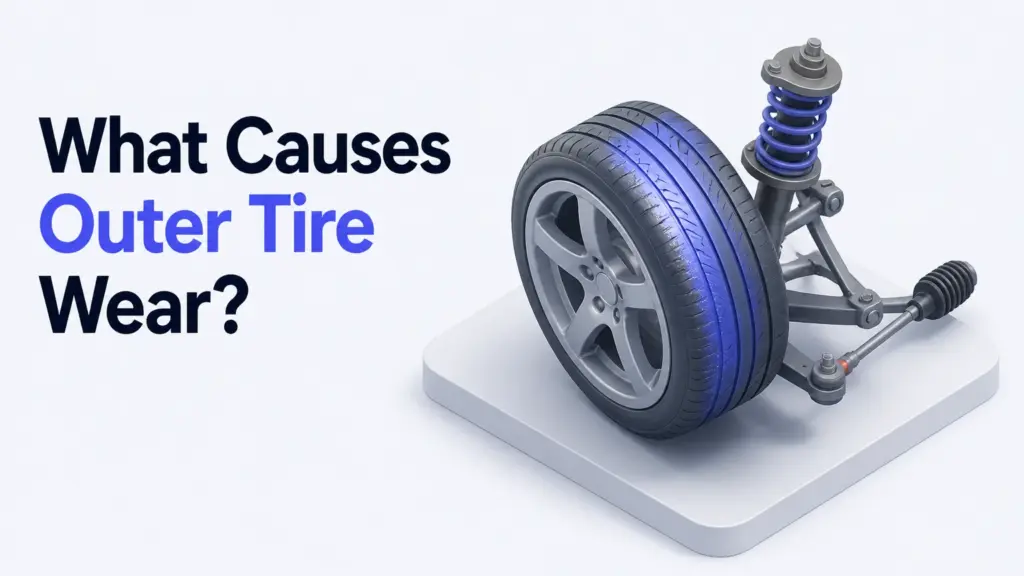
What causes outer tire wear is usually incorrect wheel alignment, especially excessive positive camber or improper toe, but low tire pressure, worn suspension parts, hard cornering, overloading, and impact damage can create similar patterns. The exact cause depends on whether one outer edge, both shoulders, one tire, or an entire axle is wearing. Key Facts […]
How to Stop Squeaky Brakes
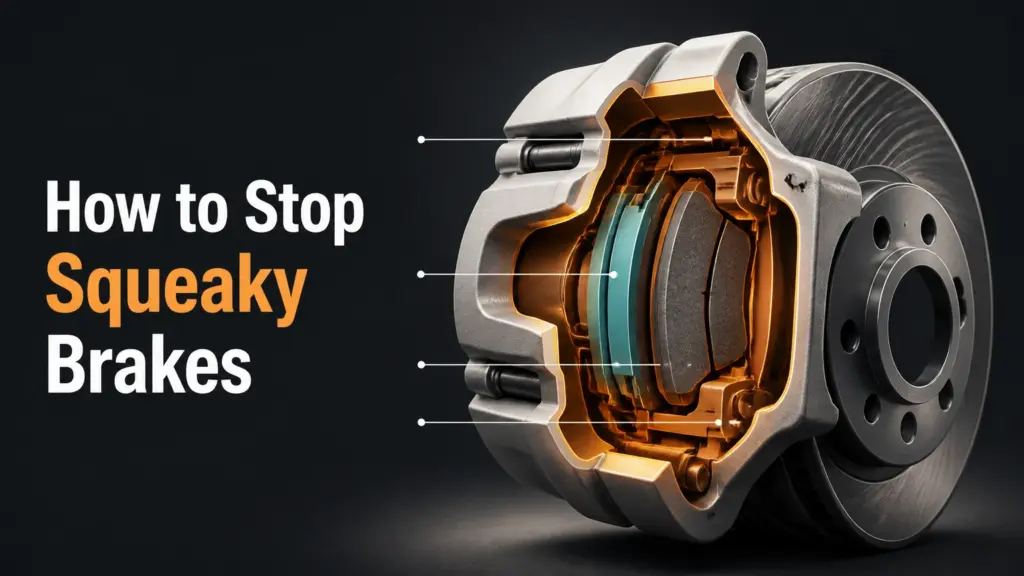
To stop squeaky brakes, first identify whether the noise comes from temporary moisture, worn brake pads, glazed friction material, contaminated rotors, or dry caliper hardware. Most lasting repairs require cleaning the brake assembly, servicing the slide pins and pad contact points, replacing worn hardware, and installing new pads or rotors when damage exceeds service limits. […]
How Do I Know If My Car Has ABS Brakes?
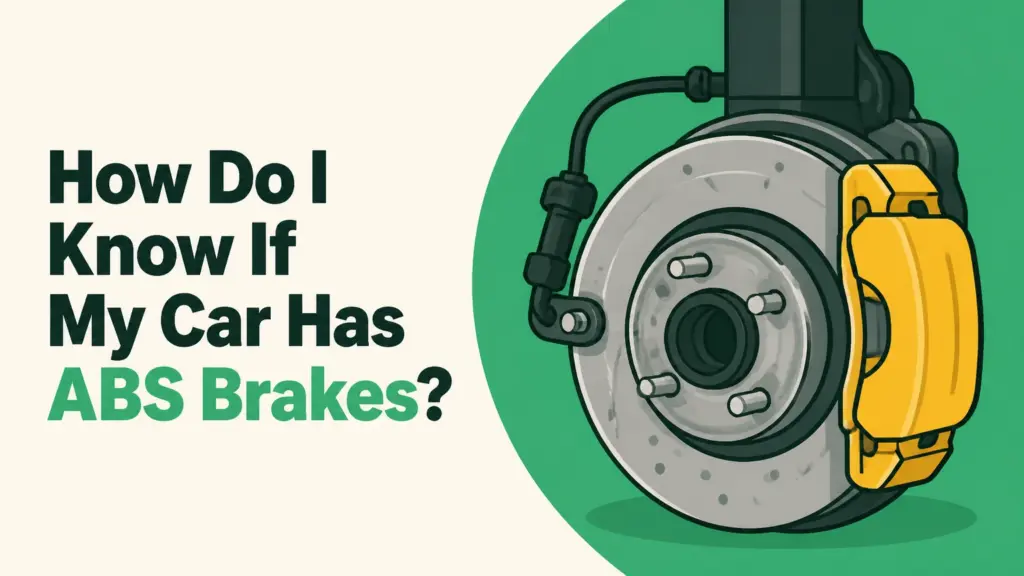
You can determine whether your car has ABS brakes by watching for an amber ABS light during the dashboard startup test, checking the vehicle specifications or VIN-linked build information, and locating ABS hardware such as a hydraulic modulator and wheel-speed sensors. The dashboard bulb test is usually the fastest first check, but documentation provides the […]
How to Change Brake Fluid Without Bleeding
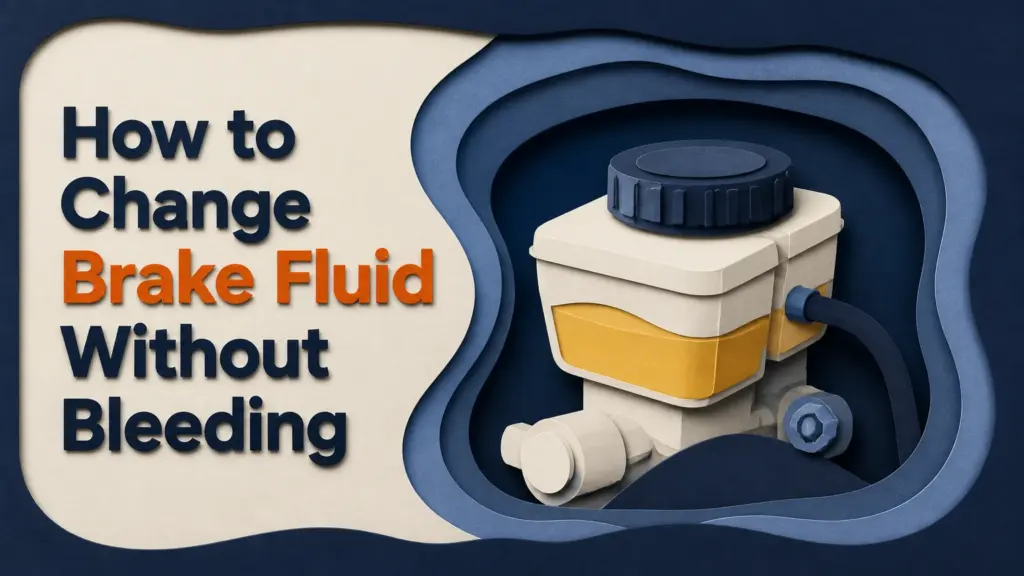
You cannot completely change brake fluid without bleeding or otherwise moving fresh fluid through the brake lines and calipers. You can, however, replace the old fluid in the master-cylinder reservoir using a siphon-and-refill method, which partially refreshes the system in about 20 minutes without opening any bleeder screws. Can You Change Brake Fluid Without Bleeding? […]
What Does a Bad Alternator Sound Like?
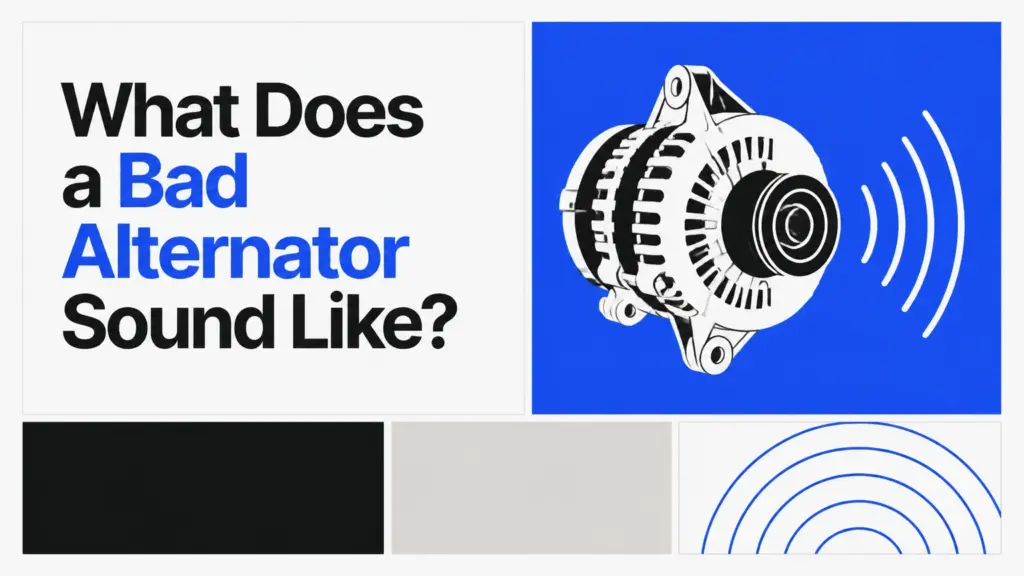
A bad alternator commonly makes a high-pitched whine, low growl, grinding sound, rhythmic chirp, or belt squeal that changes with engine speed. Worn bearings usually create growling or grinding, while a slipping belt or failing pulley produces squealing or chirping. Electrical faults can cause a smooth, siren-like whine. Key Facts at a Glance What Does […]