How Long Does Tire Shine Last? Realistic Lifespans
Tire shine typically lasts 7-21 days for a water-based dressing, 20-45 days for a solvent-based dressing, and 90-365 days for a properly prepared tire coating. Rain, automatic car washes, mileage, tire texture, product thickness, and surface preparation can reduce those ranges substantially. Key Facts at a Glance How Long Does Tire Shine Last by Type? […]
Will a Bad Alternator Keep a Car From Starting?
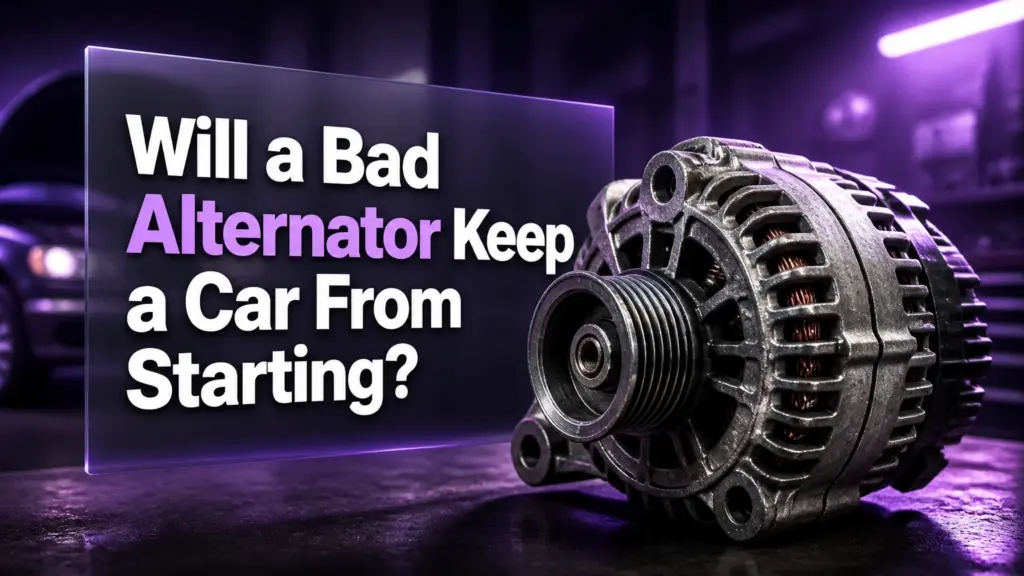
A bad alternator will indirectly keep a car from starting by failing to recharge the battery while the engine runs. While the battery supplies the initial electrical current to energize the starter motor, the alternator maintains electrical operations and replenishes the battery. Once the battery depletes completely, the engine cannot restart. At a Glance Will […]
How to Remove Tar From Car Paint Without Scratches
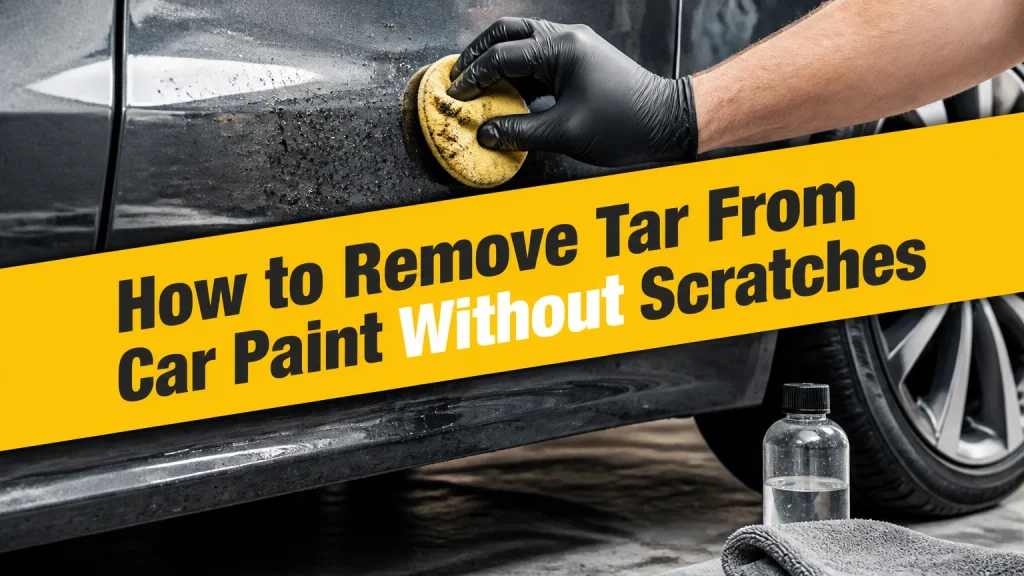
To remove tar from car paint, wash and dry the panel, cool it in the shade, apply a clear-coat-safe automotive tar remover, let it dwell according to the label, and wipe with a clean microfiber towel. Repeat softening rather than scrubbing, then wash the panel and replace the wax or sealant that the solvent removed. […]
How Much Coolant Loss Is Normal?
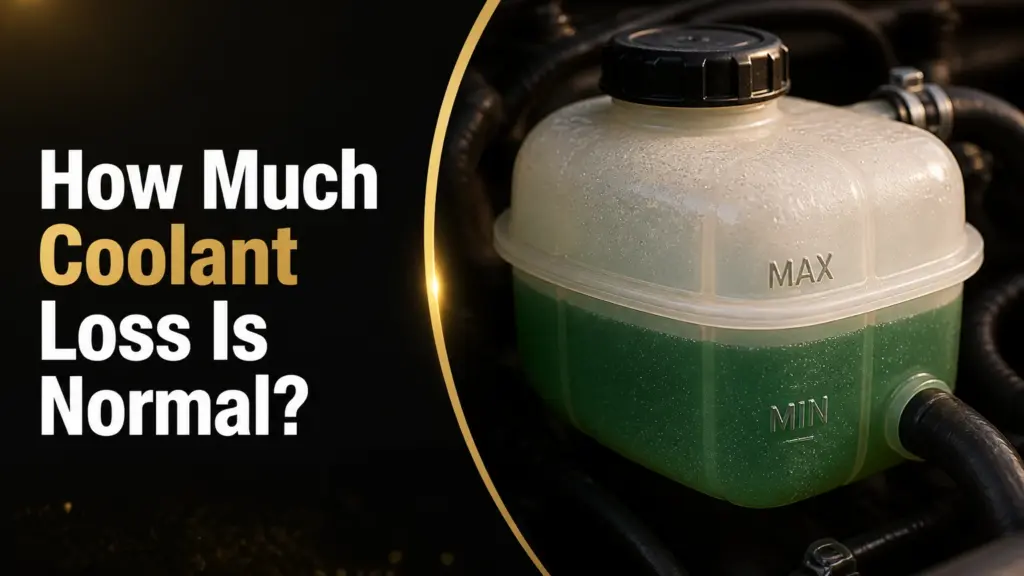
Under standard operating conditions, a healthy engine cooling system should experience zero noticeable coolant loss, losing fewer than 0.5 to 1 fluid ounce (15 to 30 mL) per year. Because engine cooling systems are fully sealed, any visible drop on the expansion tank reservoir dipstick over a few months signals a micro-leak, pressure cap breakdown, […]
How to Remove Bird Poop From Car Paint Safely
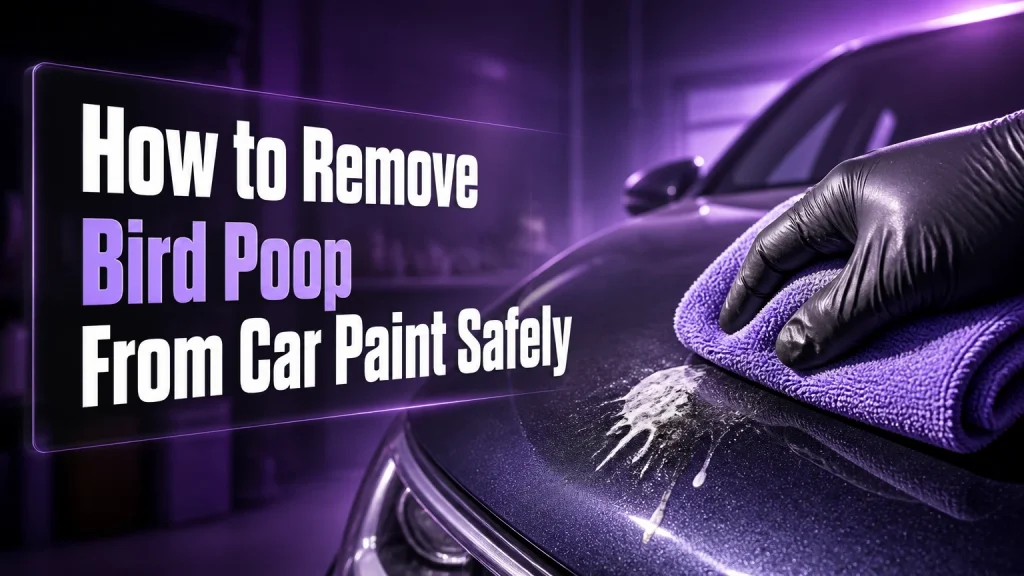
To remove bird poop from car paint, cool the panel, saturate the dropping with automotive detailer or water, let it soften, then lift it vertically with a clean microfiber towel. Never dry-scrub, scrape, or wipe abrasive residue across the paint. Dried marks require a warm-water soak; etched marks require paint correction, not stronger cleaner. Key […]
What Does a Catalytic Converter Look Like?
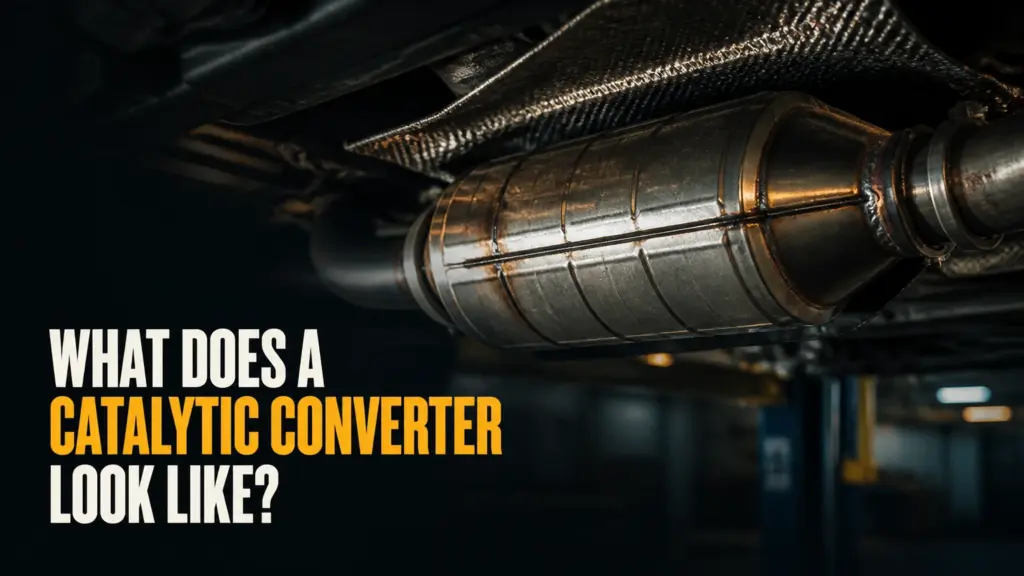
A catalytic converter is a cylindrical or oval stainless steel canister integrated into a vehicle’s exhaust pipe system. Located underneath the chassis between the engine manifold and the muffler, it features a dull gray metal casing, a dimpled outer heat shield, and threaded oxygen sensor ports on either end. At a Glance: Core Visual Identifiers […]
How to Remove Road Paint From Car Safely
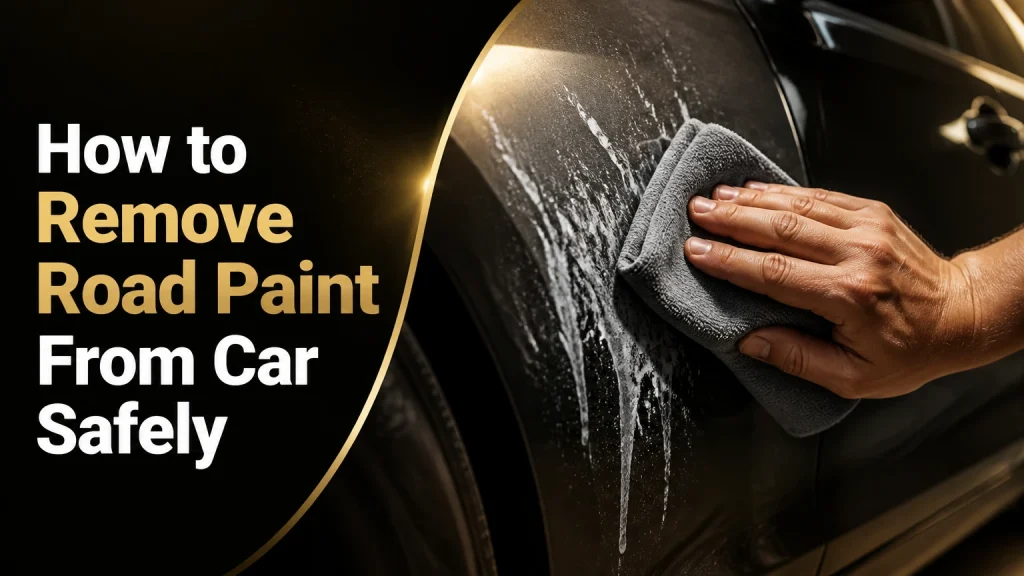
To remove road paint from a car, wash away grit, soften the marking with a vehicle-safe tar or adhesive remover, and lift loosened residue with microfiber rather than scraping. Use a clay bar for thin overspray, reserve pressure washing for fresh paint, and test every chemical on an inconspicuous area before treating the visible panel. […]
Why Does My Car Start Then Turn Off?
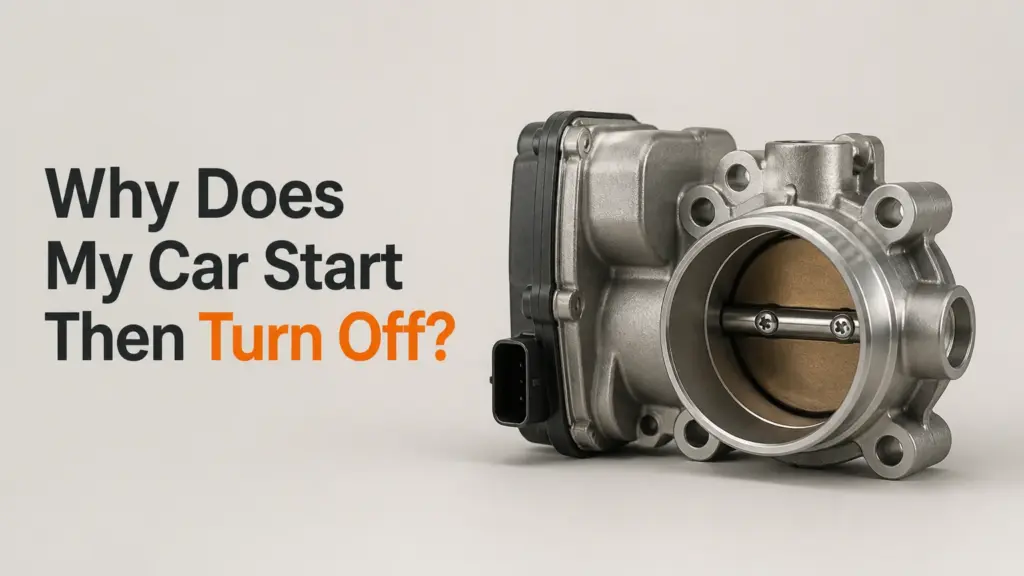
A car that starts then turns off immediately is typically experiencing an anti-theft immobilizer security error or a rapid fuel pressure drop below 20 PSI. Modern Engine Control Units start the engine on primed fuel, but automatically cut ignition coil or fuel injector power within 1 to 3 seconds if security handshakes fail or fuel […]
When Should You Replace Brake Rotors
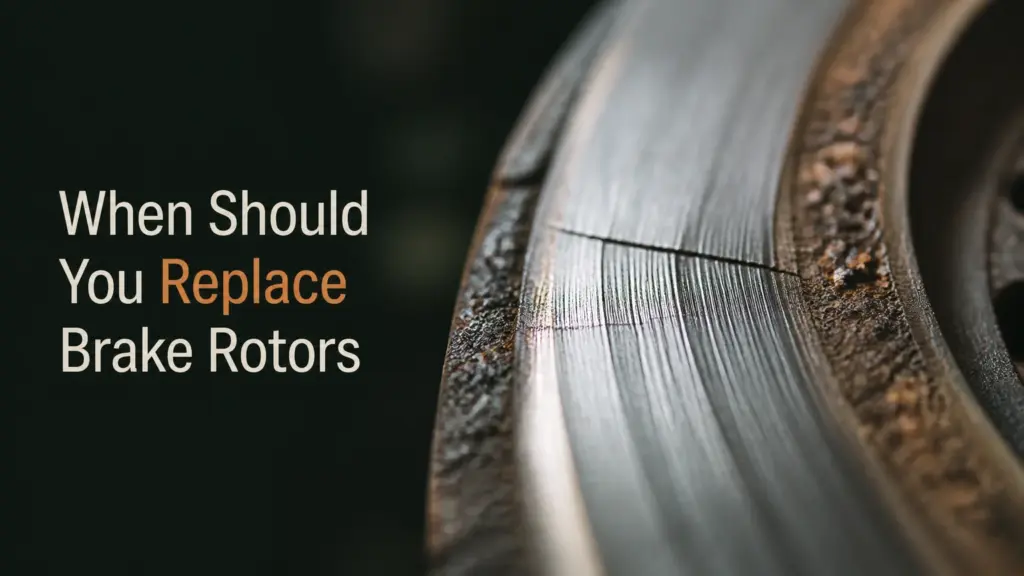
Brake rotors must be replaced when their thickness measures at or below the manufacturer-specified discard limit, when lateral runout exceeds 0.05 mm (0.002 inches), or when deep scoring, structural cracks, or severe rust pitting compromise the friction surface. While rotors often last 30,000 to 70,000 miles, physical measurements dictating structural safety always override mileage estimates. […]
How Much Water Does a Car Wash Use? 5 Methods Compared
A professional car wash typically uses 38-303 litres (10-80 gallons) of water per vehicle, while a home wash with a continuously running hose commonly uses 150-568 litres (40-150 gallons). Waterless products can use roughly 1-4 litres, and a self-serve bay commonly uses 45-75 litres during a five-minute cycle. Key Facts at a Glance What Does […]