Do Drum Brakes Have Rotors?
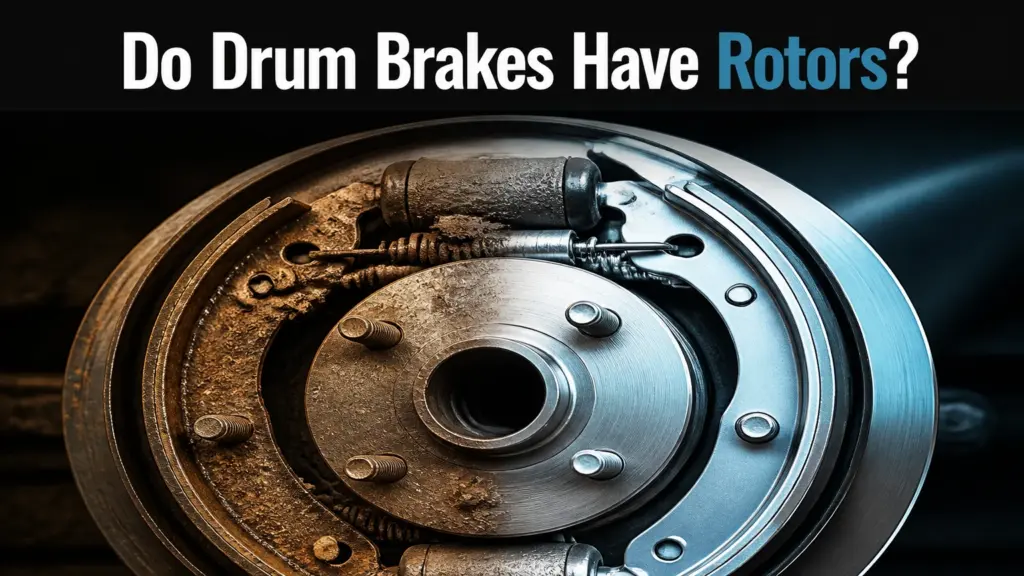
No, drum brakes do not have rotors. Instead of a flat rotor disc, a drum brake system relies on a hollow, bowl-shaped cast iron drum that rotates alongside the vehicle wheel. Rotors are cylindrical metal discs used exclusively in disc brake systems, where hydraulic calipers clamp flat brake pads against the outer disc surfaces. What […]
How to Deep Clean Car Interior: A Safe 8-Step Method
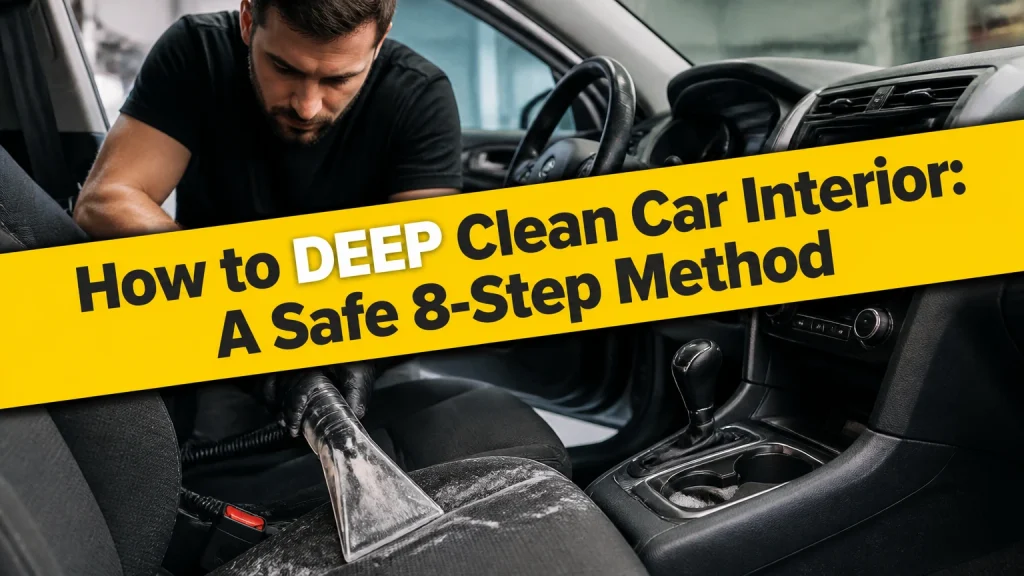
To deep clean a car interior, remove loose debris, vacuum dry soil, clean upper surfaces, scrub upholstery, extract carpets, treat odors, and dry the cabin completely. An average sedan takes 4-8 hours, including drying time, and the most important success factor is controlling moisture so dirt and odors do not remain beneath fabric or carpet. […]
Why Do My Brakes Sound Like They’re Grinding?
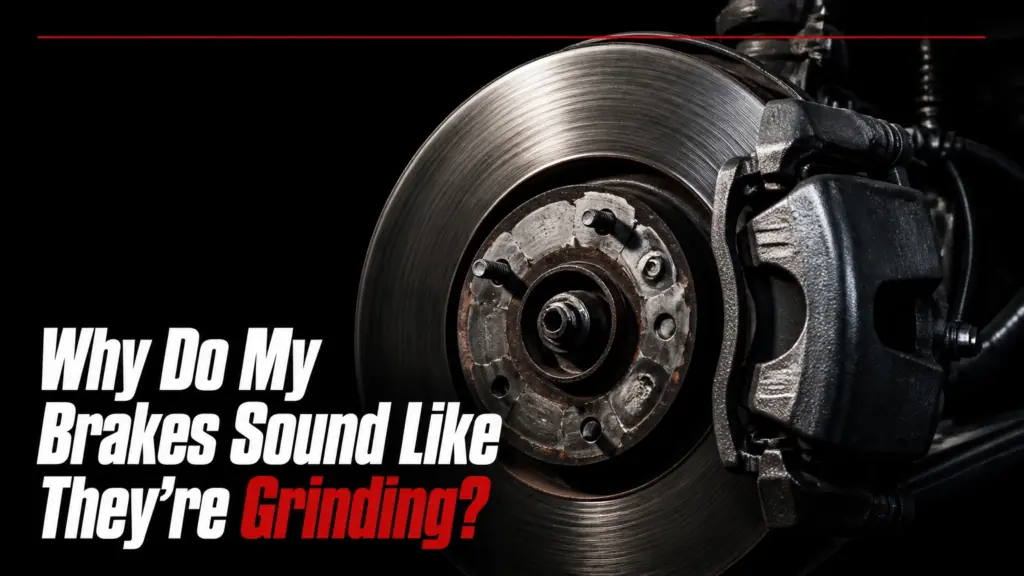
Brakes sound like they are grinding because the sacrificial friction lining on the brake pad has completely worn away down to $0\text{ mm}$. This forces the pad’s steel backing plate to press directly against the cast-iron brake rotor, creating destructive metal-on-metal friction that damages components and severely reduces vehicle stopping power. At a Glance What […]
How Often to Clean Car Interior: A Practical Schedule
Most car interiors need a quick tidy every week, a vacuum and wipe-down every two to four weeks, and a deep clean every three to six months. Clean high-touch surfaces sooner after illness, spills, heavy dust, or pet travel. The right interval depends more on occupants, mileage, climate, and contamination than on the calendar alone. […]
How to Stop a Radiator Leak
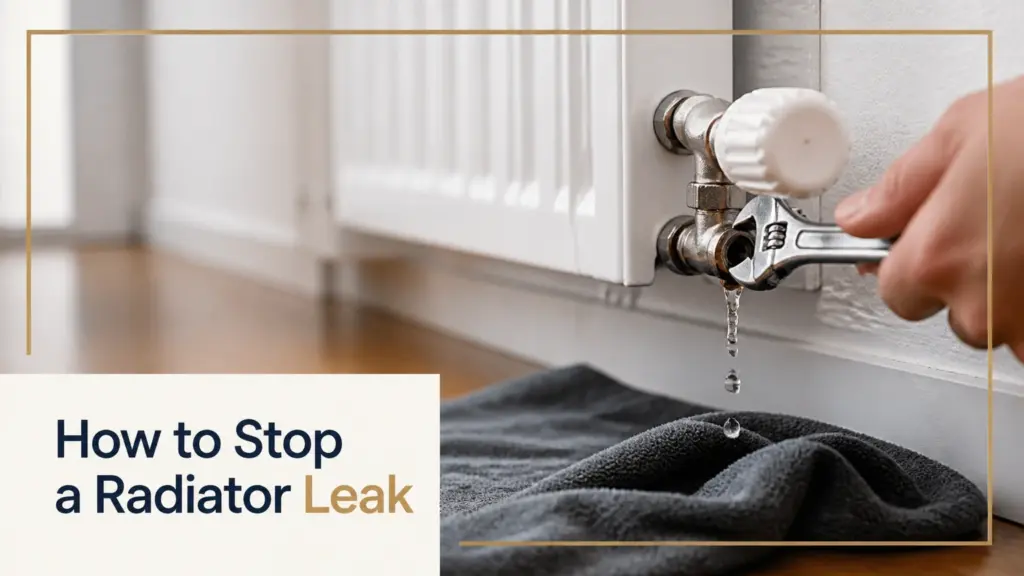
Stopping a radiator leak requires identifying whether water is escaping from a pipe joint, valve stem, bleed screw, or metal panel, then applying a mechanical or chemical seal. By following this 6-step guide, you can fix 90% of household radiator leaks in 30 to 90 minutes for under $25, without calling a plumber. The key […]
Towel Dry vs Air Dry Car: Which Method Protects Paint?
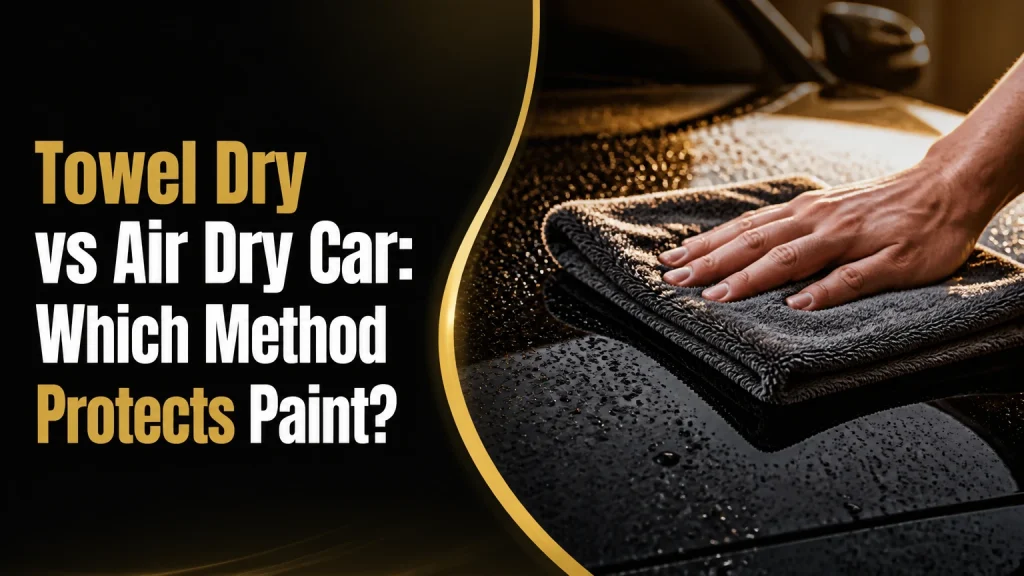
Towel drying is usually the most economical way to leave a car spot-free, while air drying minimizes paint contact and reduces contamination-related marring. For most vehicles, the safest practical answer is a hybrid method: blow water from seams and trim first, then use a clean microfiber towel with light pressure on the remaining water film. […]
How to Vacuum Car Interior for a Deeper Clean
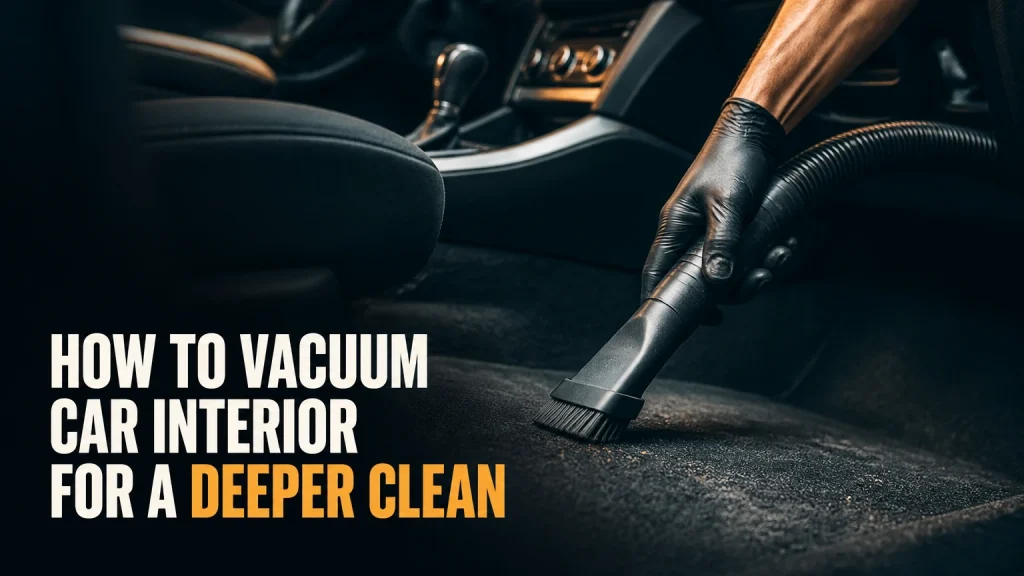
To vacuum a car interior, remove loose trash, take out and shake the floor mats, vacuum from high surfaces downward, and finish carpets with slow overlapping passes. Use a crevice tool for seams and seat rails, a brush for vents and dashboards, and a powered or rubber tool for embedded pet hair. A maintenance clean […]
Why Do My Brakes Squeak?
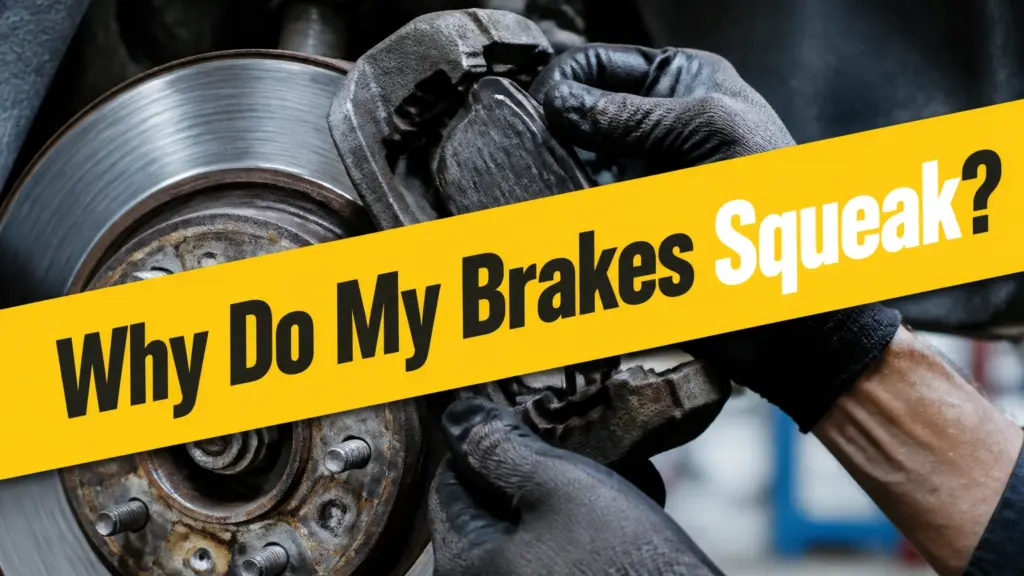
Brakes squeak primarily because high-frequency vibrations develop between the brake pads and the iron rotor during braking. These friction-induced vibrations resonate through the brake caliper assembly at audible frequencies. Common causes range from normal overnight surface rust and high-performance pad compounds to worn wear indicators, unlubricated contact points, and glazed friction material. What Physical Mechanism […]
How to Check Radiator Fluid Safely in 9 Steps
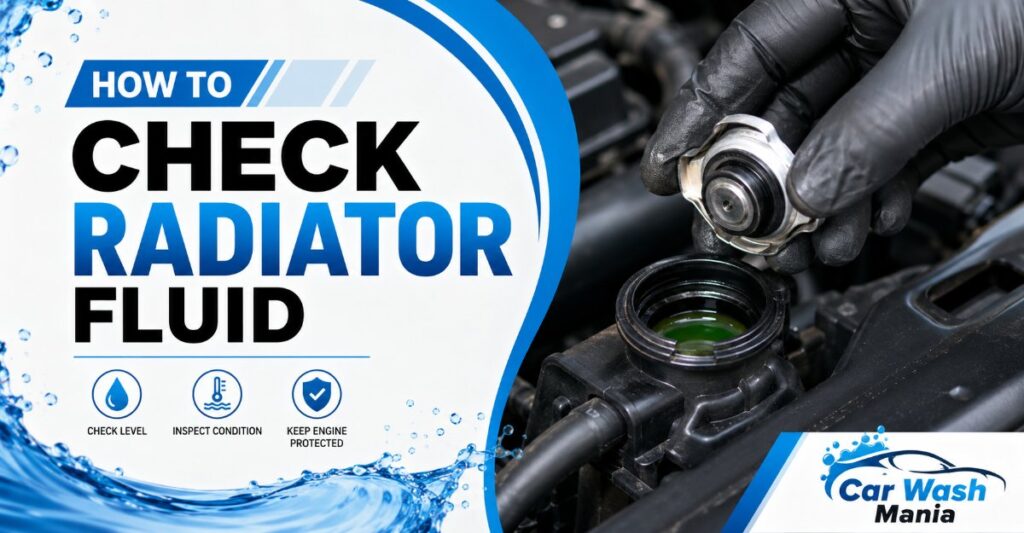
To learn how to check radiator fluid, park on level ground, let the engine become completely cold, identify the correct coolant reservoir and specification, inspect the level and condition, check for leaks, add compatible coolant only if necessary, and verify the level again. The job takes 5–15 minutes, requires beginner-level skill, and depends most on […]
What Does an Oil Leak Look Like?
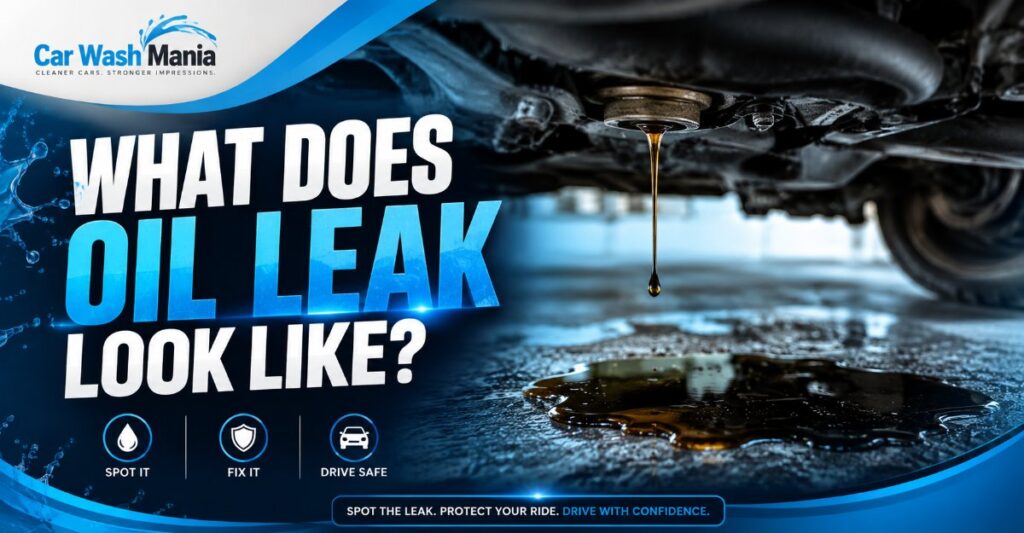
An engine oil leak looks like a shiny, greasy puddle or stain ranging from light amber to dark brown or black, typically located directly underneath the vehicle’s engine block. The fluid feels slippery and thick between your fingers, often carrying a heavy, mechanical, or mildly burnt chemical scent. Key Facts / At a Glance: How […]