How to Replace a Belt Tensioner in 10 Steps
Learning how to replace a belt tensioner involves verifying the correct part, recording the belt route, unloading the spring, inspecting every pulley, installing the tensioner to specification, refitting the belt, and testing its tracking. Expect 45 minutes to 3 hours. Difficulty is moderate, and success depends most on correct routing, alignment, and bolt torque. Phase […]
What Does Cylinder 1 Misfire Mean? Diagnosing Code P0301
A cylinder 1 misfire (diagnostic trouble code P0301) means the engine’s primary cylinder is failing to ignite its air-fuel mixture, resulting in a sudden loss of rotational power detected by the engine control unit. This incomplete combustion triggers the check engine light and immediately causes noticeable engine hesitation, rough idling, or surging. Key Facts / […]
Do Drum Brakes Have Brake Pads?
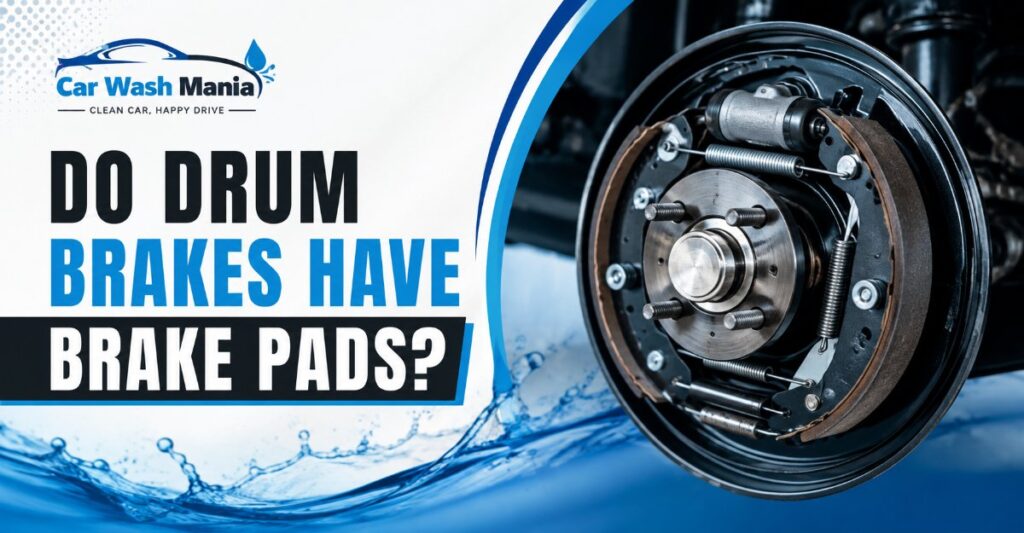
No, drum brakes do not have brake pads. Drum brake systems utilize curved brake shoes lined with friction material. While disc brake systems clamp flat brake pads against a spinning rotor, drum brake systems push these crescent-shaped brake shoes outward against the inside of a spinning metal drum to stop the vehicle. At a Glance: […]
What Is the Best Radiator Stop Leak?
K-Seal Multi-Purpose One Step Coolant Leak Repair is the best radiator stop leak for most older, out-of-warranty vehicles with a small, confirmed cooling-system leak. It works with common coolant types, normally requires no preliminary flush, and can circulate through radiators, heater cores, engine blocks, and other coolant passages—but no stop-leak product is a substitute for […]
Why Is My Brake Caliper Sticking?
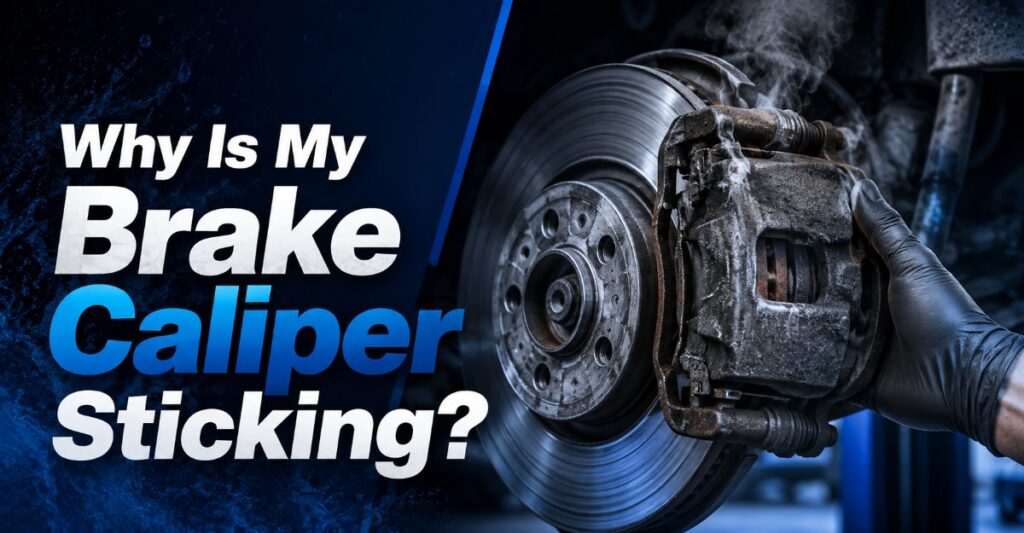
A sticking brake caliper is usually caused by seized slide pins due to torn dust boots, a rusted or swollen caliper piston, or a collapsed internal brake hose acting as a one-way valve. This mechanical or hydraulic failure traps the brake pad against the rotor, generating excessive heat and pulling the vehicle to one side. […]
How Do You Fix a Transmission Leak? The Complete Guide
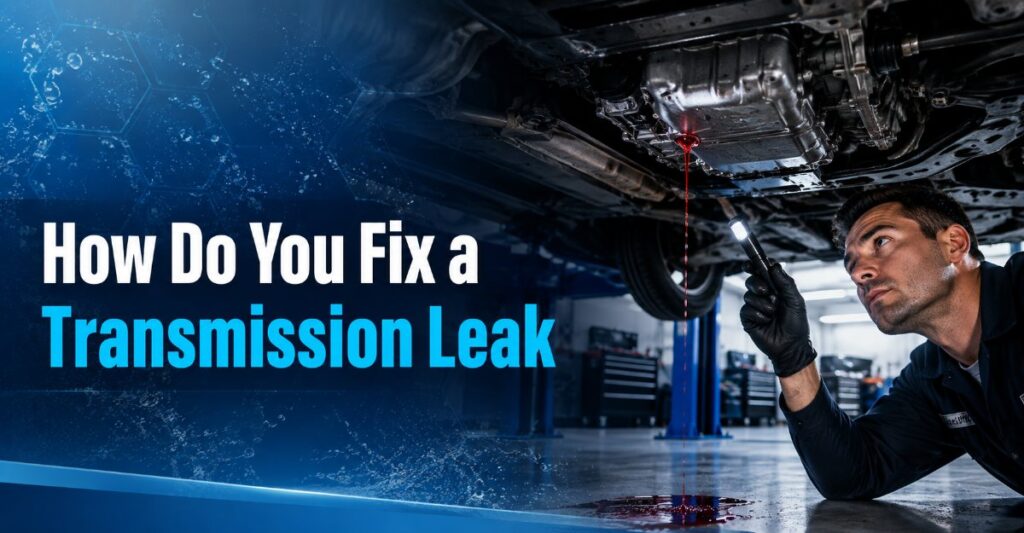
To answer how do you fix a transmission leak: you must identify the fluid type, pinpoint the exact source of the breach, and replace the compromised seal, gasket, or line. While temporary chemical additives exist, a permanent repair involves draining the hydraulic system, removing the damaged component, and installing a new manufacturer-specified part with precise […]
How Often Should You Really Wash Your Car to Prevent Rust?
Imagine pulling into your driveway after a long week of commuting. Your vehicle looks mostly clean from a distance. However, if you run your bare hand along the lower door panels, you will likely feel a gritty, highly textured film. That invisible layer of road grime is not just a cosmetic annoyance. It is a […]
How to Safely Remove Bug Splatter and Tree Sap from Your Hood (2026 Detailer’s Guide)

You finish a long summer highway drive, pull into the driveway, and there it is: a shotgun blast of dried insects welded across your hood, plus a few sticky, glassy blobs of tree sap you picked up from that shady parking spot last week. It looks awful, and worse, it feels permanent. I remember the […]
How to Fix a Radiator Leak
Fixing a radiator leak takes seven steps: cool the engine, find and confirm the leak, choose a method, prep the site, apply a stop-leak, epoxy patch, or new radiator, then refill, bleed, and pressure-test. Expect 20 minutes to 4 hours. Correctly diagnosing the leak source decides everything. The single most common reason a radiator repair […]
Do Automatic Car Washes Damage Your Paint? Myths Debunked
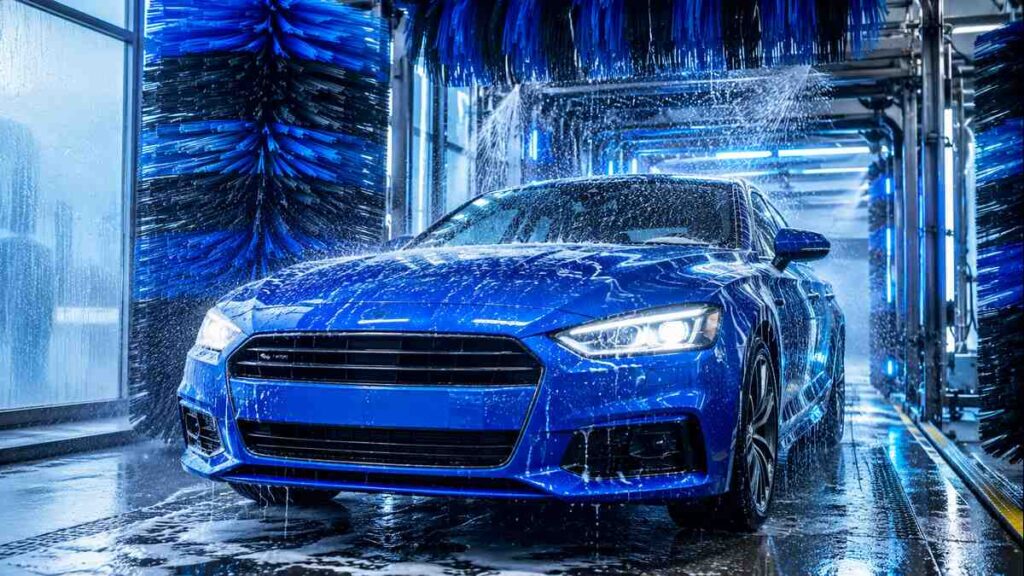
Automatic car washes are fast, convenient, and widely available. In only a few minutes, you can remove dust, mud, pollen, road film, and winter grime without carrying buckets or spending an afternoon in the driveway. Yet many drivers hesitate before entering the wash tunnel. They have heard that automatic brushes act like sandpaper, touchless chemicals […]