How to Remove Pet Odor From Car, A Deep-Clean Plan
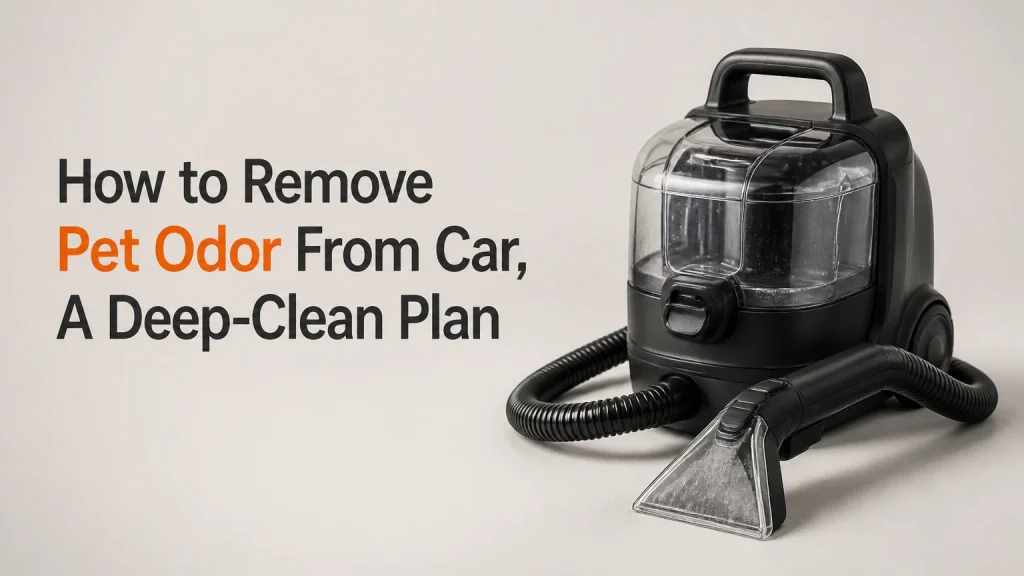
To remove pet odor from a car, first remove hair and debris, then clean the contaminated upholstery, carpet, mats, and hard surfaces with the right product, extract moisture, replace a contaminated cabin filter, and dry the cabin completely. The odor source, material type, and cleaning depth determine whether the job takes two hours or requires […]
What Are the Best Brake Pads?
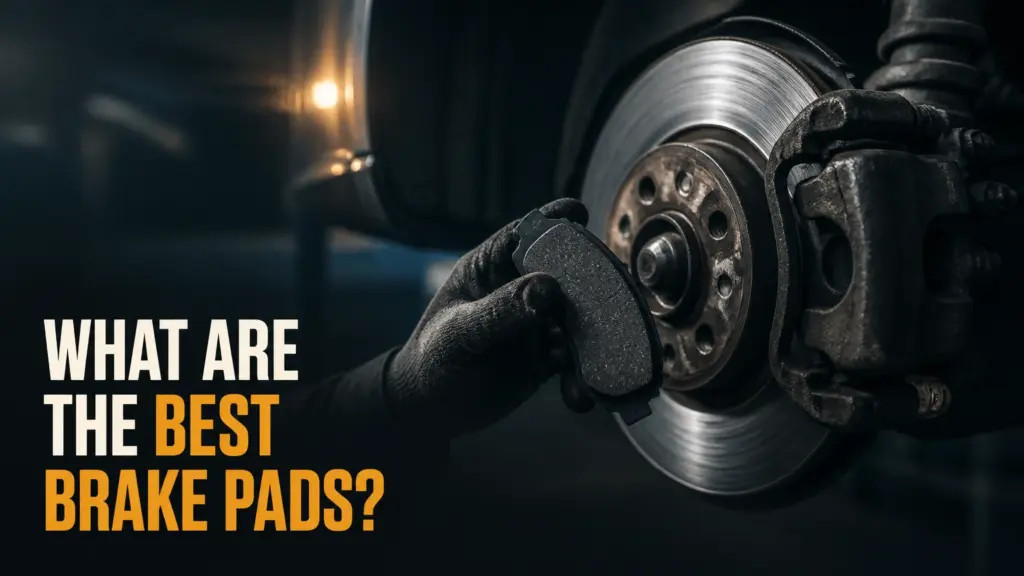
Ceramic brake pads are the best overall choice for daily commuting due to their minimal dust, quiet operation, and long service life. However, no single brake pad fits every vehicle, as high-performance sports cars and heavy-duty towing trucks require semi-metallic pads to handle extreme heat and prevent brake fade. At a Glance What Are the […]
How to Remove Mildew Smell From Car: A Lasting Fix
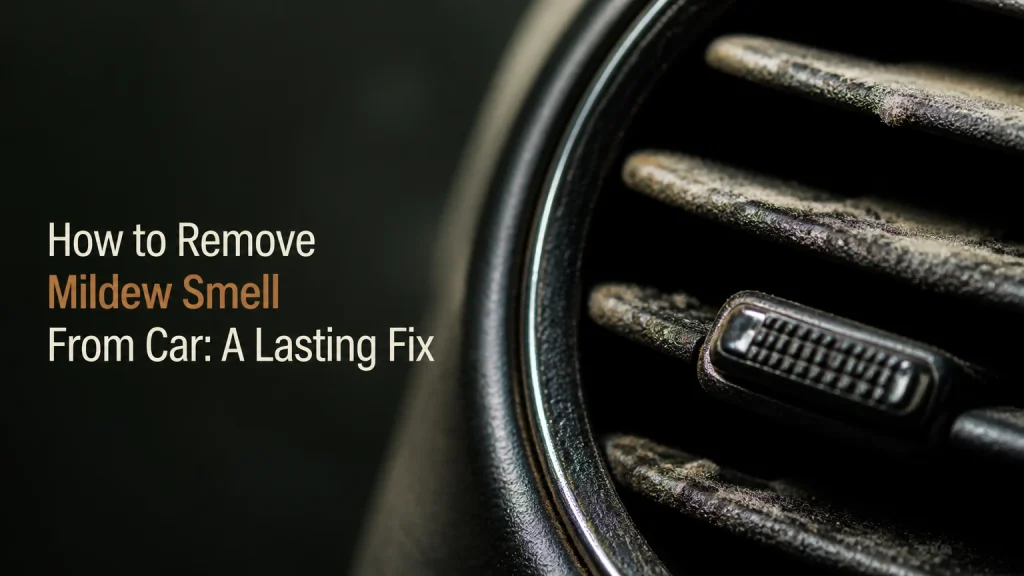
To remove mildew smell from a car, stop the water source, extract contaminated moisture, clean the affected materials, treat the HVAC system, and dry the cabin completely. A lasting result usually takes 4-24 hours of drying, while severe contamination under the carpet, inside seat foam, or on the evaporator may require professional disassembly. Key Facts […]
Why Won’t My Car Crank But I Have Power?
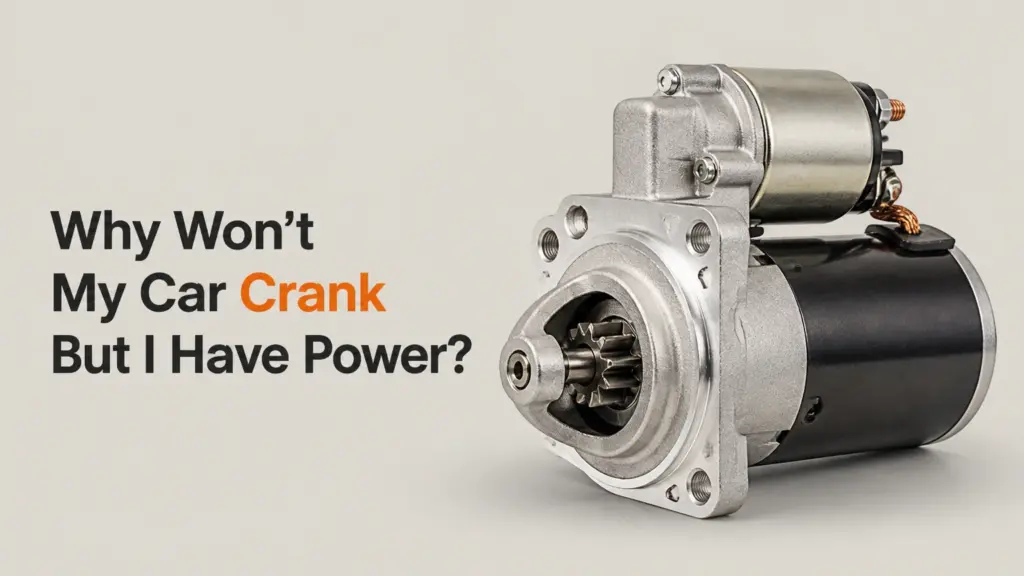
A car that has dashboard power but will not crank suffers from a high-amperage starting circuit failure or an engaged security interlock. While cabin electronics require only 5 to 15 amperes, turning the starter motor requires 150 to 300+ amperes. A minor voltage drop, corroded connection, or tripped safety sensor permits lights to illuminate while […]
How to Clean Car Carpet Without Soaking the Padding
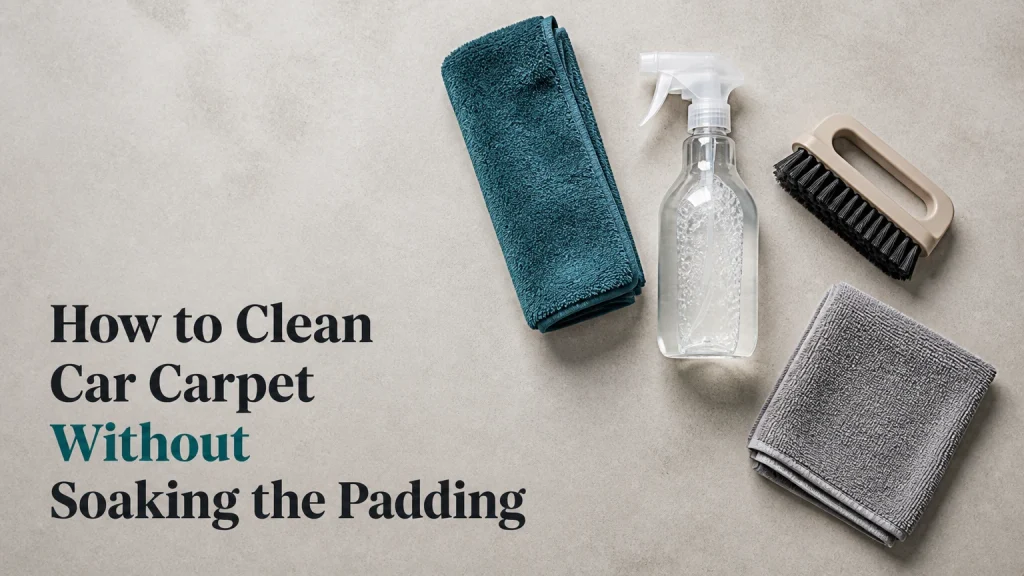
Car carpet is best cleaned with a dry vacuuming pass, targeted automotive carpet cleaner, controlled nylon agitation, low-moisture extraction, and complete drying. A typical DIY job takes 60-120 minutes of active work plus 2-12 hours of drying. The factor that most determines the result is removing loose grit before adding liquid. Key Facts at a […]
What Happens If You Don’t Change Brake Pads
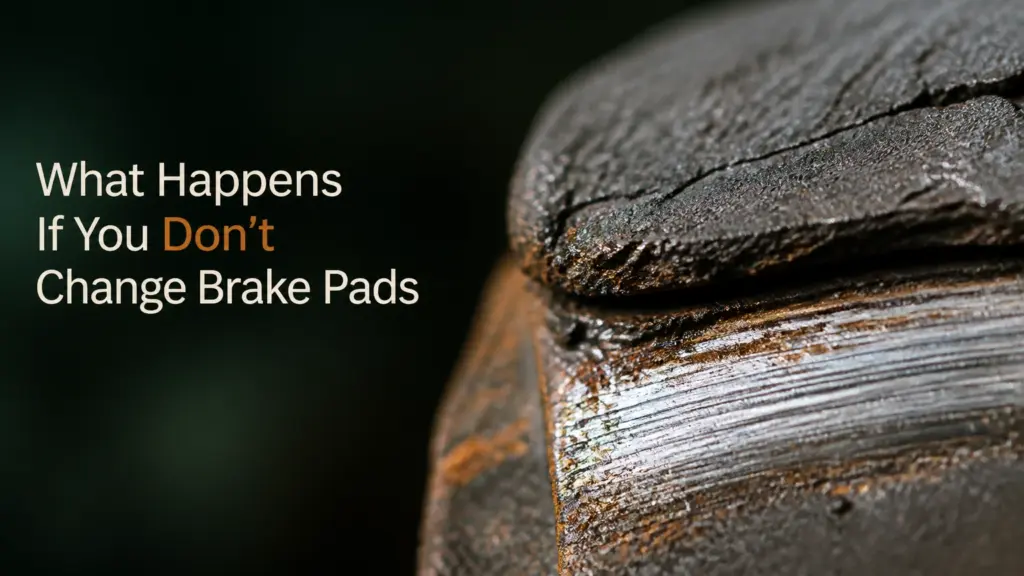
If you do not change worn brake pads, the friction material wears completely away, exposing the steel backing plate. This bare metal grinds directly against the spinning rotor, causing severe disc gouging, extreme heat buildup, caliper piston seizure, hydraulic fluid boiling, and catastrophic failure of vehicle stopping power. At a Glance: Key Impacts of Neglected […]
How Often to Condition Leather Car Seats Safely
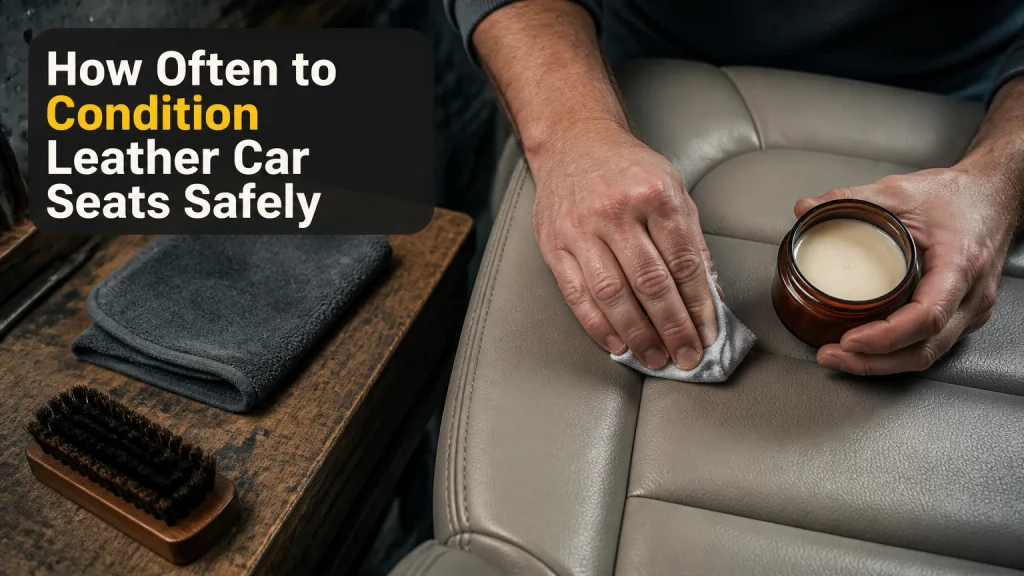
Condition leather car seats about every 3-6 months when the vehicle is a daily driver in a moderate climate, but shorten the interval to roughly 1-3 months when seats face strong UV, desert heat, tropical humidity, heavy use, or uncovered parking. Clean and inspect the leather first because modern coated automotive leather often needs surface […]
What Is a Coolant Reservoir?
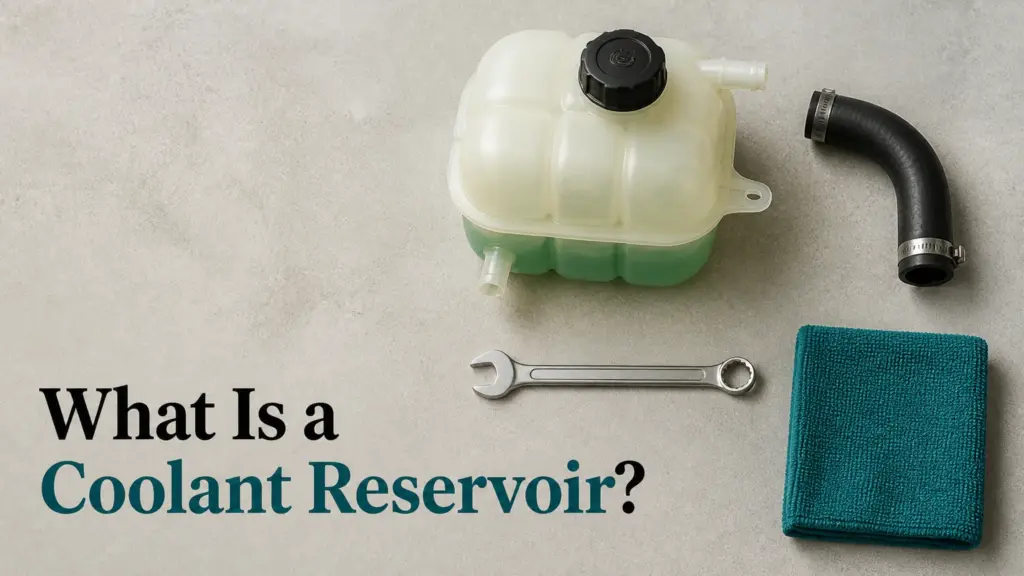
A coolant reservoir is an engine bay storage tank that holds excess antifreeze, regulates cooling system pressure, and absorbs the thermal expansion and contraction of engine fluid. Made of heat-resistant translucent plastic, it maintains consistent hydraulic pressure and prevents air pockets from entering the radiator as temperatures cycle between ambient and peak operating levels. At […]
How to Clean Car Headliner Safely Without Causing Sagging
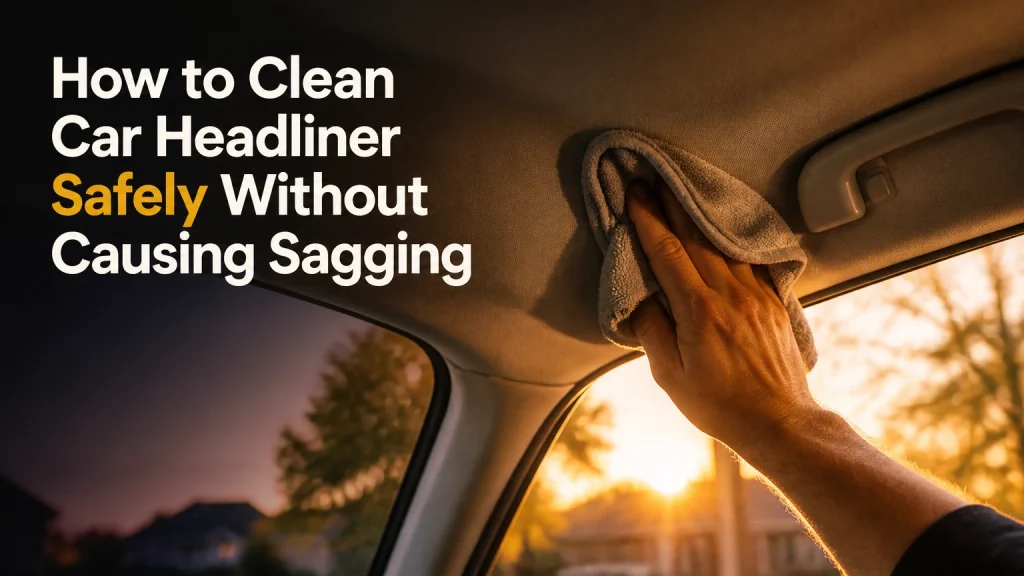
A car headliner is cleaned safely with a dry vacuum pass, a small amount of cleaner applied to a microfiber towel or soft brush, gentle blotting, and rapid air drying. The key is surface-only cleaning: keep liquid in the fabric’s upper fibers and away from the foam backing and water-soluble adhesive beneath it. Key Facts […]
Why Do My Brakes Feel Spongy?
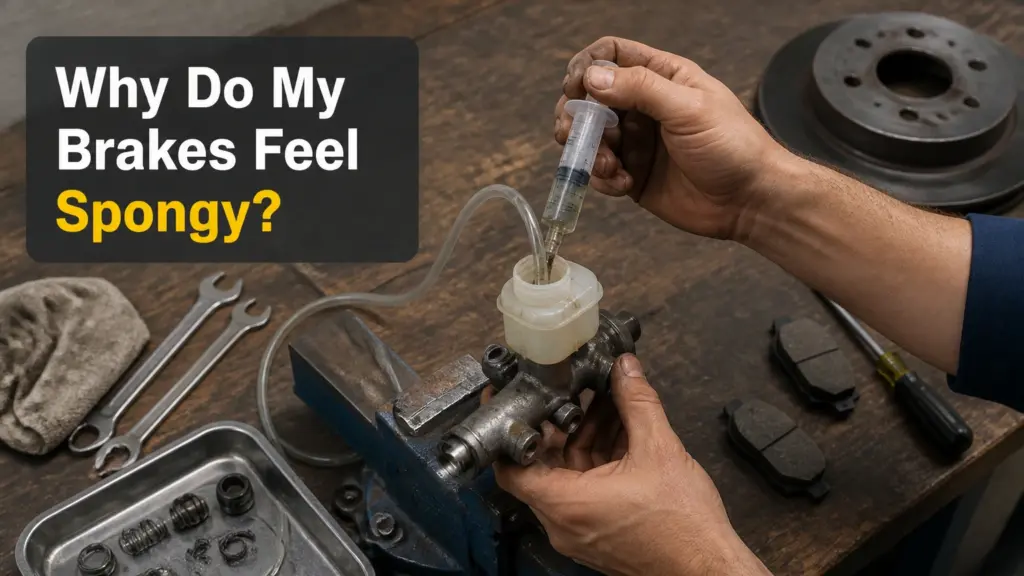
Spongy brakes are caused by air trapped in the brake fluid, degraded moisture-laden fluid, expanding rubber brake lines, or an internal master cylinder bypass. Because brake fluid is incompressible, any gas bubbles or mechanical flex inside the hydraulic system absorb your foot pressure, preventing full force from reaching the brake calipers. At a Glance: Essential […]