Why Is My Car Making a Clicking Noise While Idling?
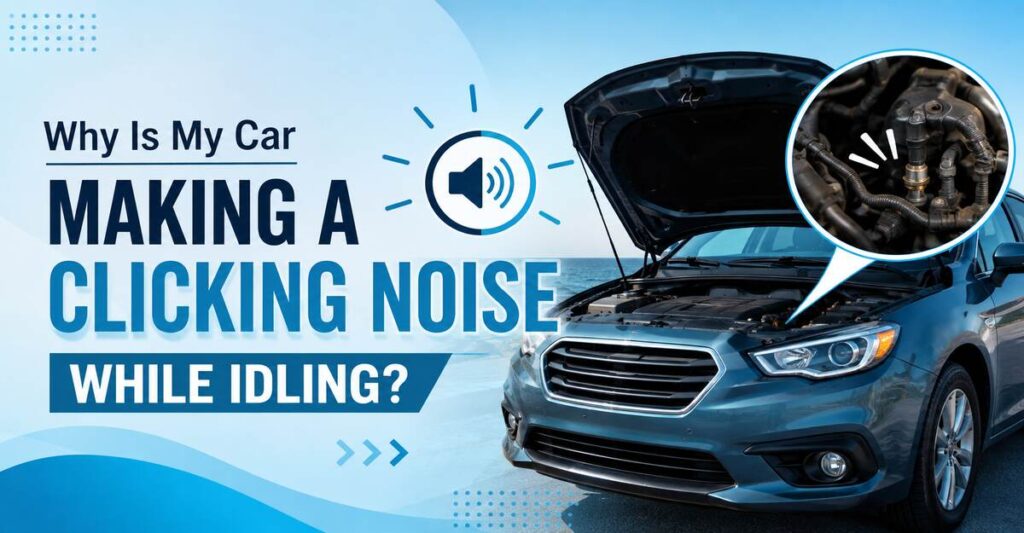
A car clicking while idling is most often a normal hydraulic lifter tick from cold oil, or the routine electrical buzz of fuel injectors and solenoids. Louder or new rhythmic clicks can signal low oil pressure, a loose spark plug, an exhaust leak, or worn rod bearings. The fastest way to diagnose it is to […]
Ceramic Coating vs. Carnauba Wax: Which Is Best for Your Vehicle?
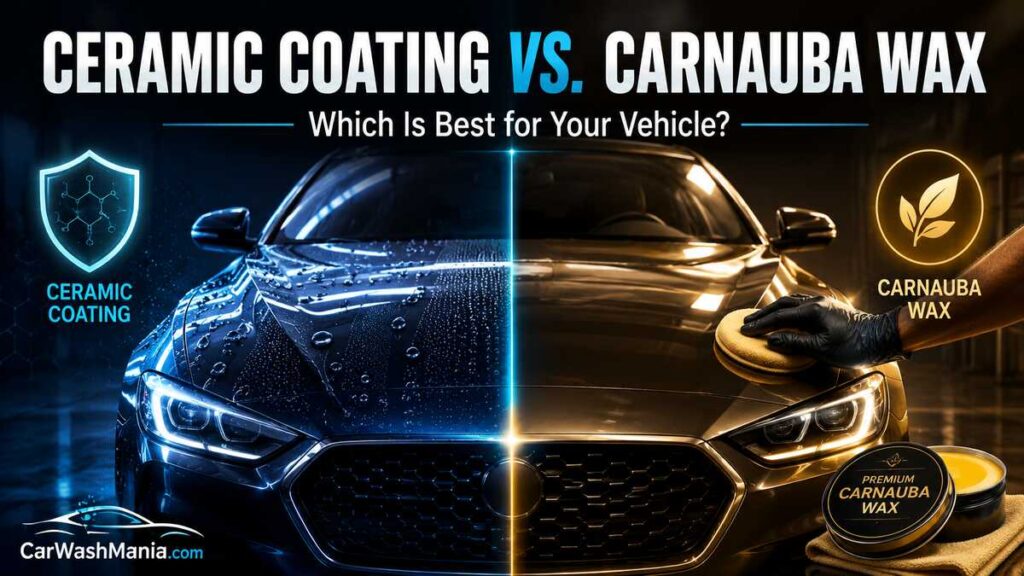
Choosing between ceramic coating and carnauba wax is not simply a question of which product creates more shine. The right choice depends on how often you drive, where you park, how much maintenance you enjoy, the condition of your paint, and how much you are prepared to spend. Carnauba wax remains popular because it can […]
When I Turn My Car Makes a Clicking Noise: Diagnosis
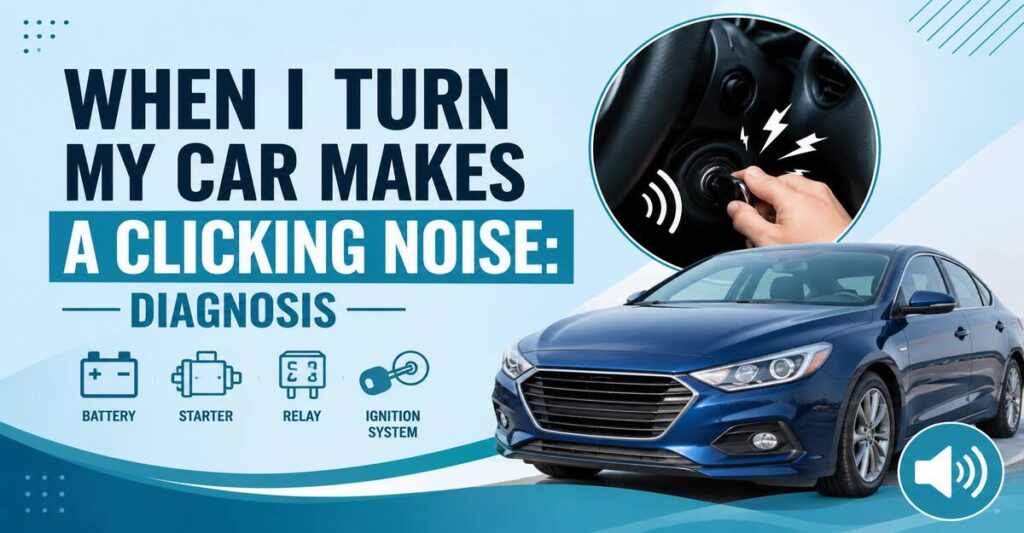
When your car makes a rhythmic clicking noise during turns, the definitive cause is a failing Constant Velocity (CV) axle joint. A torn protective boot allows lubricating grease to escape and road debris to enter, destroying the joint’s bearings. You must replace the compromised axle assembly to restore safe drivability. Key Facts / At a […]
Why Does My Car Tick When I Turn It On? Causes + Fixes
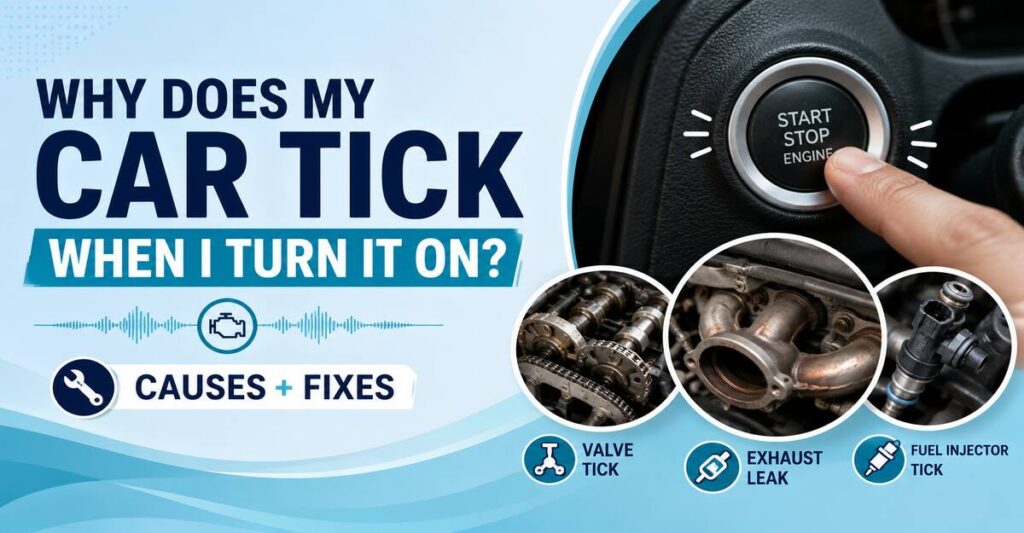
A car that ticks on startup is usually signaling low oil pressure, collapsed hydraulic lifters, or an exhaust manifold leak. The ticking happens when metal valvetrain parts strike each other before engine oil reaches them. A tick that clears within 3 to 10 seconds is common; one that persists needs inspection. At a Glance What […]
Can A Bad Control Arm Cause A Clicking Noise? Why?
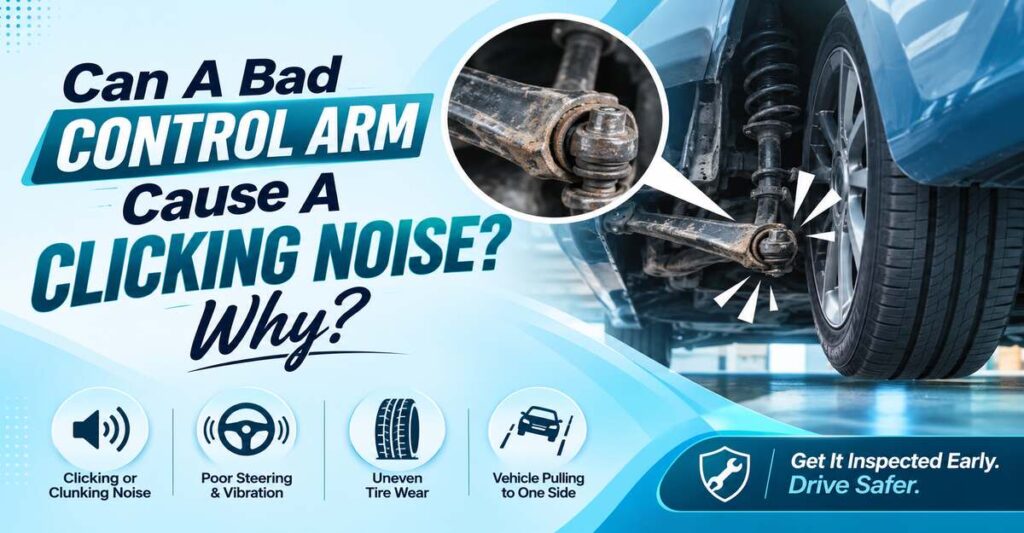
Yes. A bad control arm causes a clicking noise when its integrated ball joint wears past spec, its bushing sleeve cracks, or a mounting bolt loosens. The classic control arm symptom is a deep clunk over bumps, but a severely deteriorated joint or shifting arm produces a sharp, rhythmic metallic click instead. At a Glance […]
When Trying to Start Car Makes Clicking Noise: Diagnostic Guide
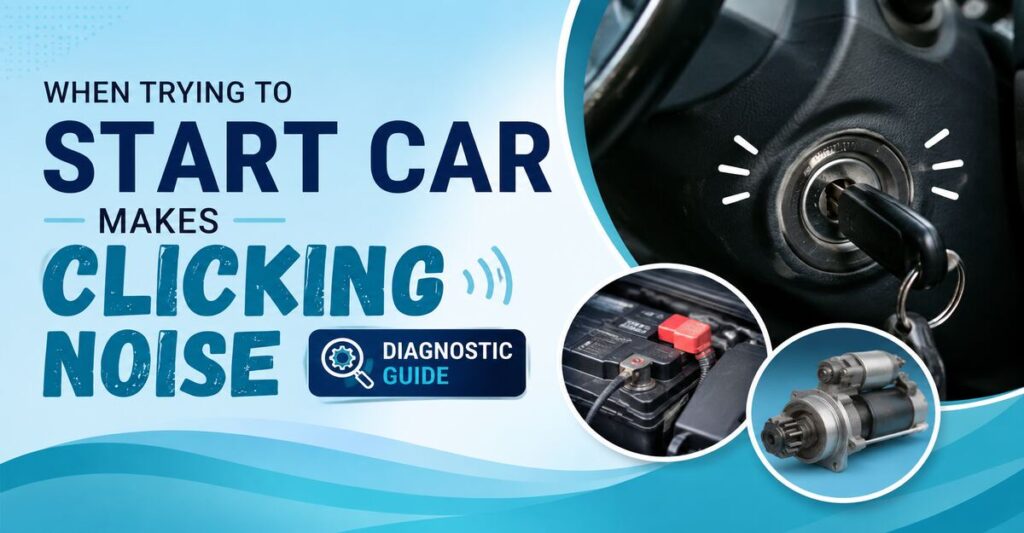
When trying to start a car and it makes a clicking noise, the primary cause is insufficient electrical current reaching the starter motor. This mechanical failure is almost always triggered by a depleted battery, corroded battery terminal connections, or a faulty starter solenoid lacking the amperage to crank the engine. Key Facts / At a […]
Why Does My Car Make a Clicking Noise? Causes and Fixes
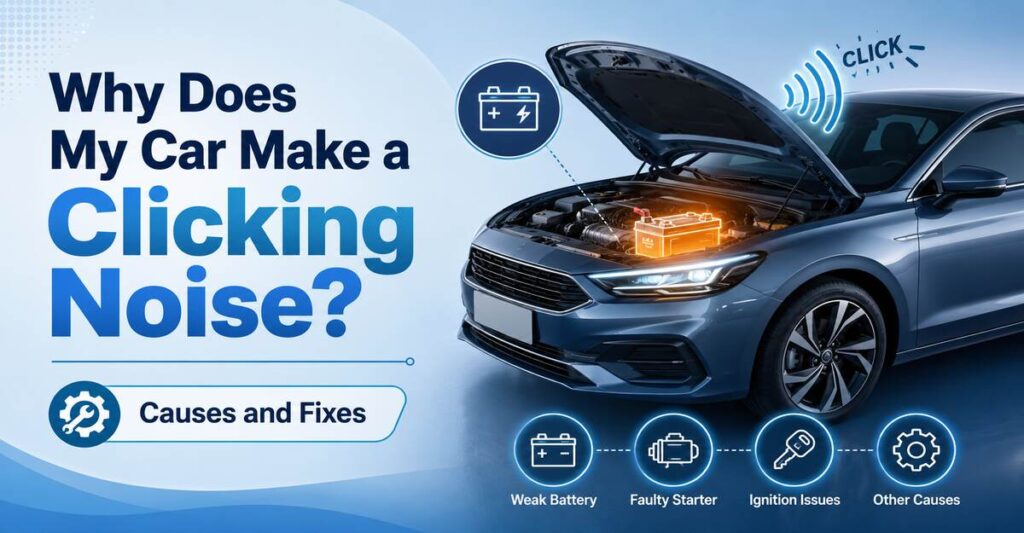
A car makes a clicking noise when an electrical switch, rotating joint, loose component, or moving engine part repeatedly contacts another surface. The likely cause depends on when the sound occurs: startup clicking commonly involves the battery or starter, while clicking during turns often points to a CV joint, wheel, brake, or suspension component. What […]
Can a Cracked Windshield Shatter?
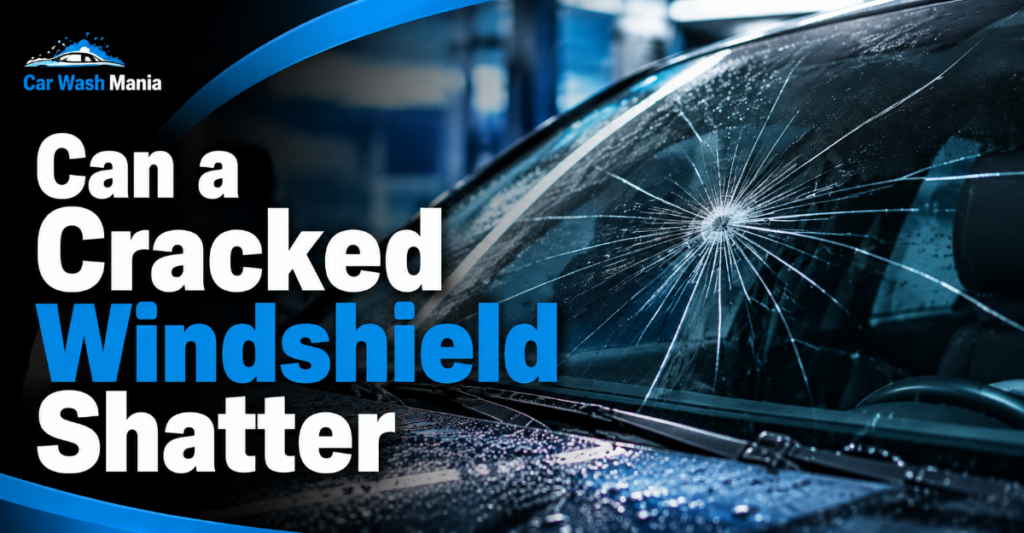
A cracked windshield can spread, spiderweb, buckle, or fracture almost completely, but a modern laminated front windshield normally does not explode into loose, sharp pieces. Its plastic interlayer is designed to retain broken glass; however, severe damage can still obstruct vision, weaken the bonded windshield system, and reduce dependable protection in another collision. What Happens […]
Why Is Brake Fluid Hygroscopic?
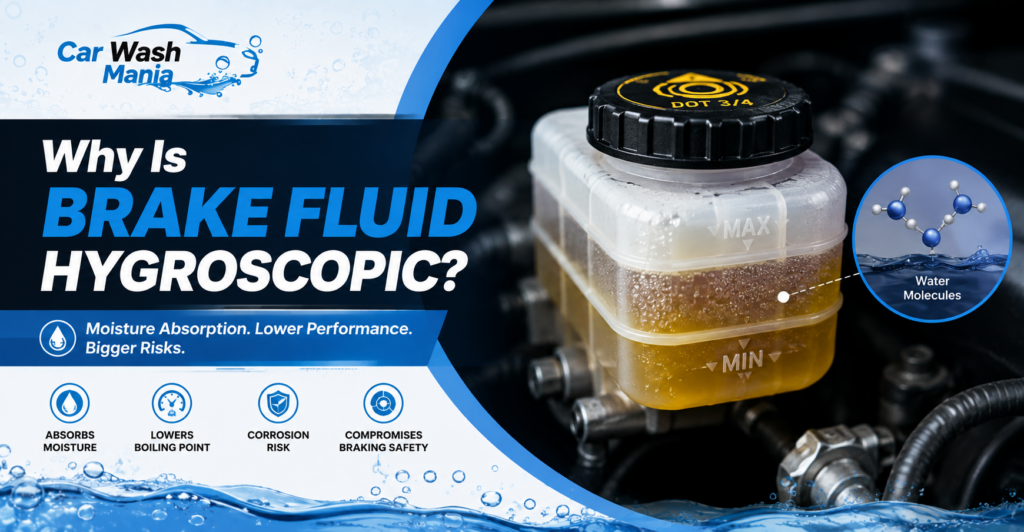
Brake fluid is hygroscopic because most road vehicles use glycol ether-based fluid whose polar oxygen-containing molecules attract, hydrogen-bond with, and dissolve water. Keeping moisture distributed through the hydraulic fluid reduces the chance of free water collecting in isolated pockets, but the absorbed water gradually lowers the fluid’s boiling point and increases corrosion risk. What Does […]
How Much Is a Wheel Hub? Complete Cost Guide
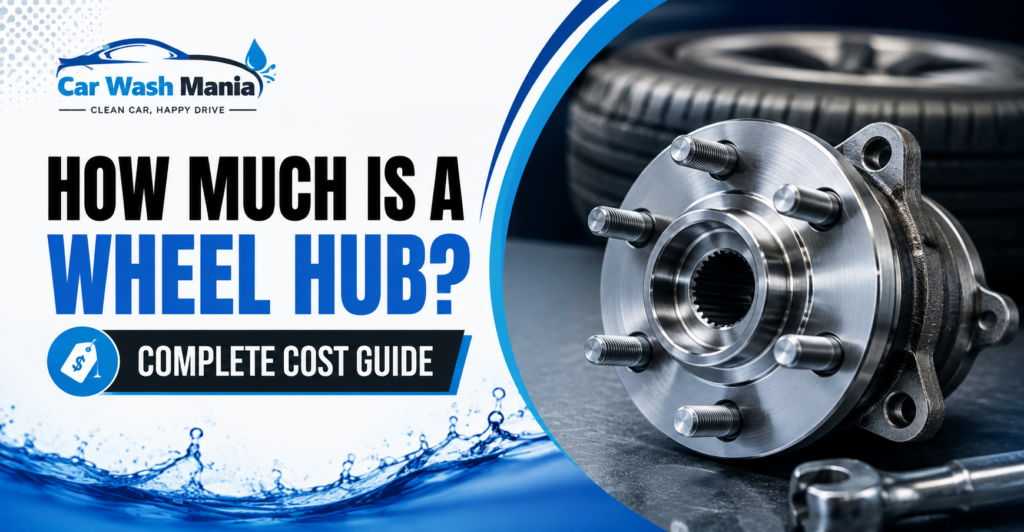
A wheel hub or hub assembly typically costs $50–$450 for the part alone, while professional replacement commonly totals $350–$900 per wheel in the United States. A complex luxury, electric, four-wheel-drive, or severely rusted vehicle can cost $1,000 or more per wheel after labor and related parts are included. How Much Is a Wheel Hub Without […]